
Description
WWI AUSTRALIAN FLYING CORPS NO. 4 SQUADRON AVIATION PHOTO ALBUM – SOPWITH CAMELS, SNIPES, HANDLEY PAGE BOMBERS – FRANCE, BELGIUM & OCCUPATION OF GERMANY 1918–1919
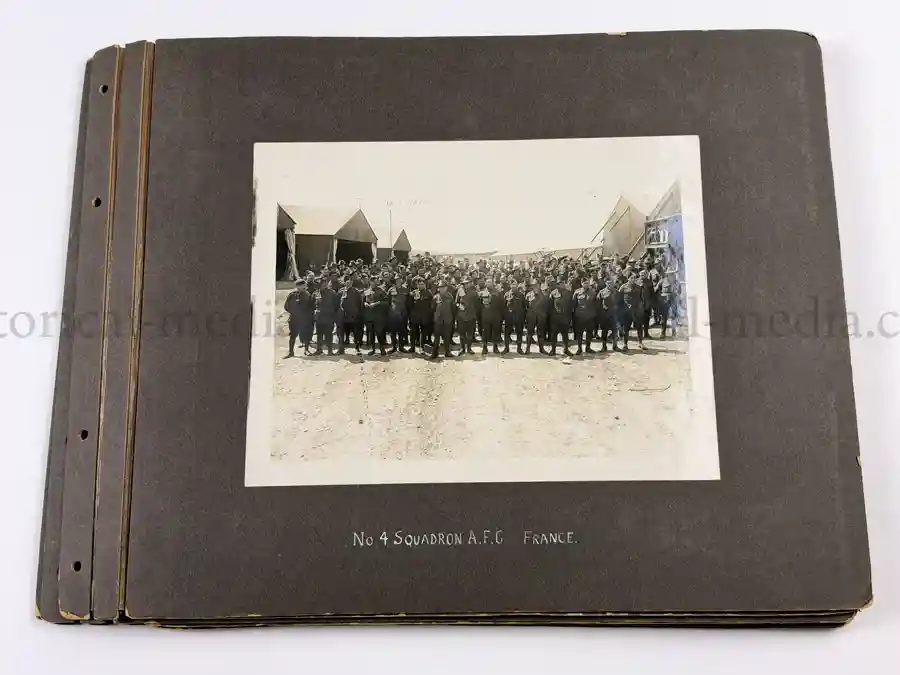
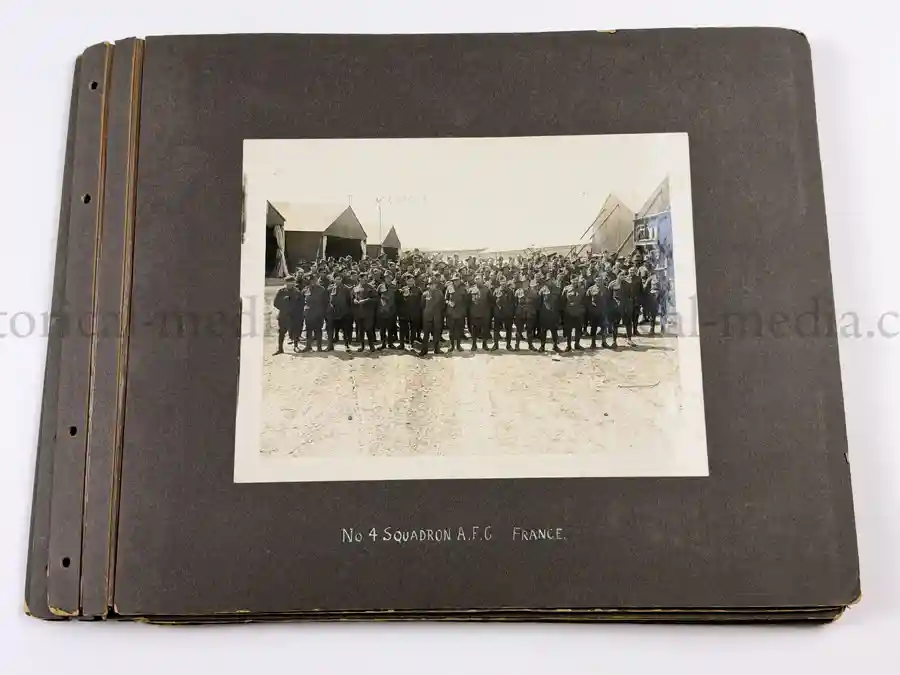
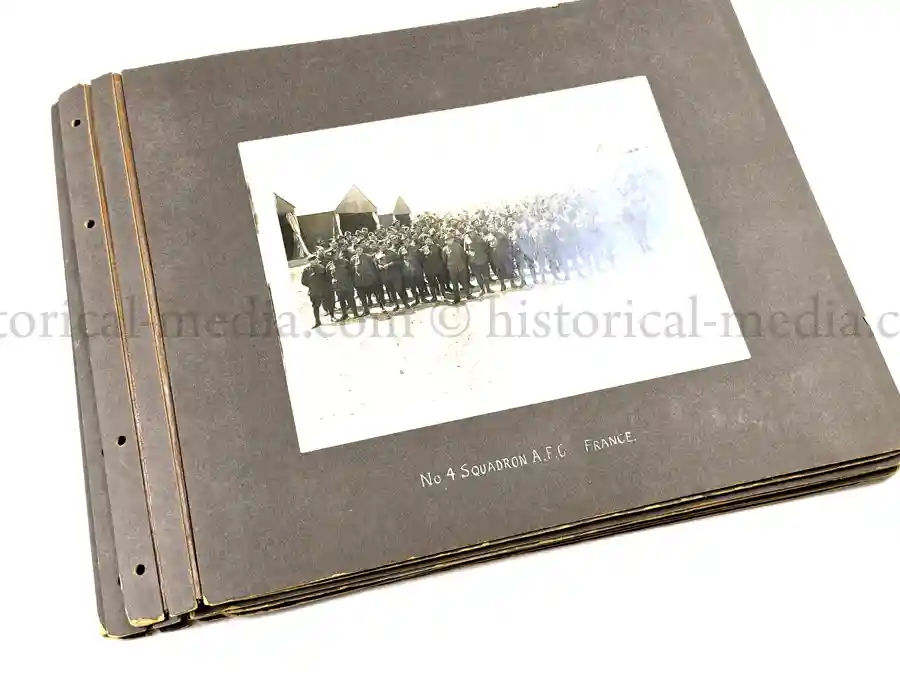
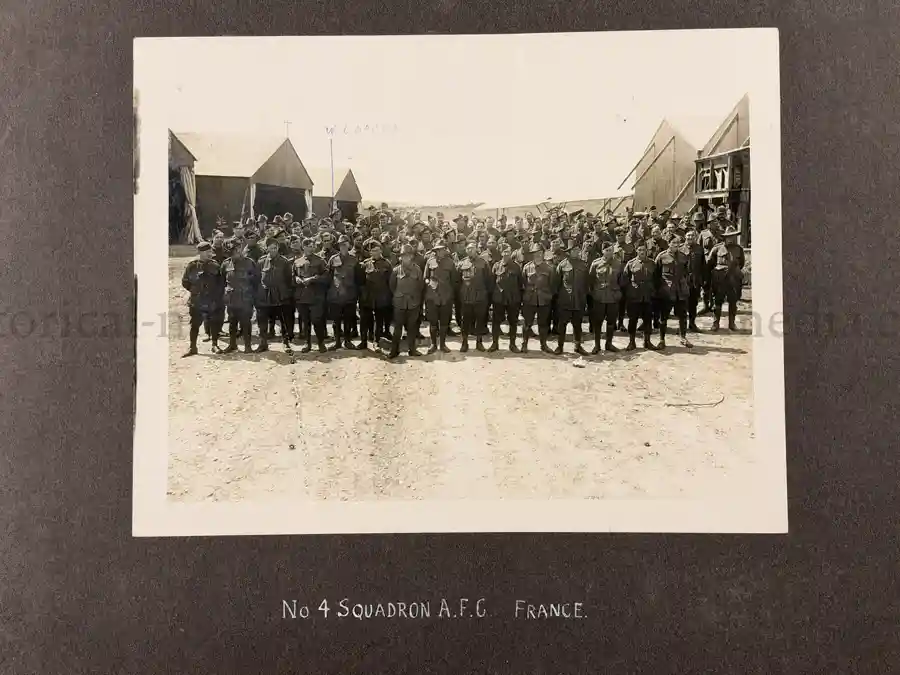
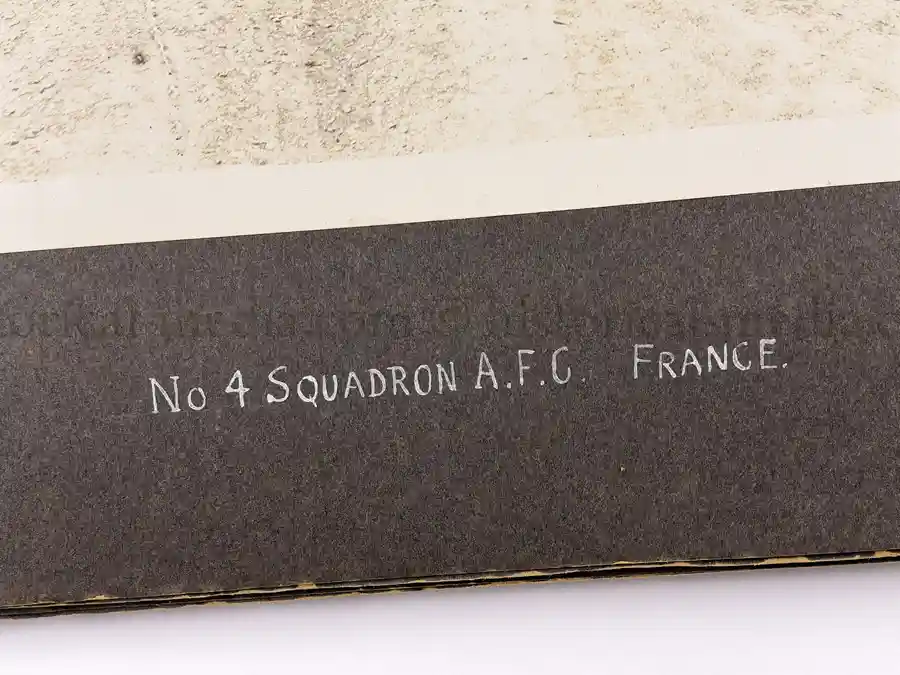
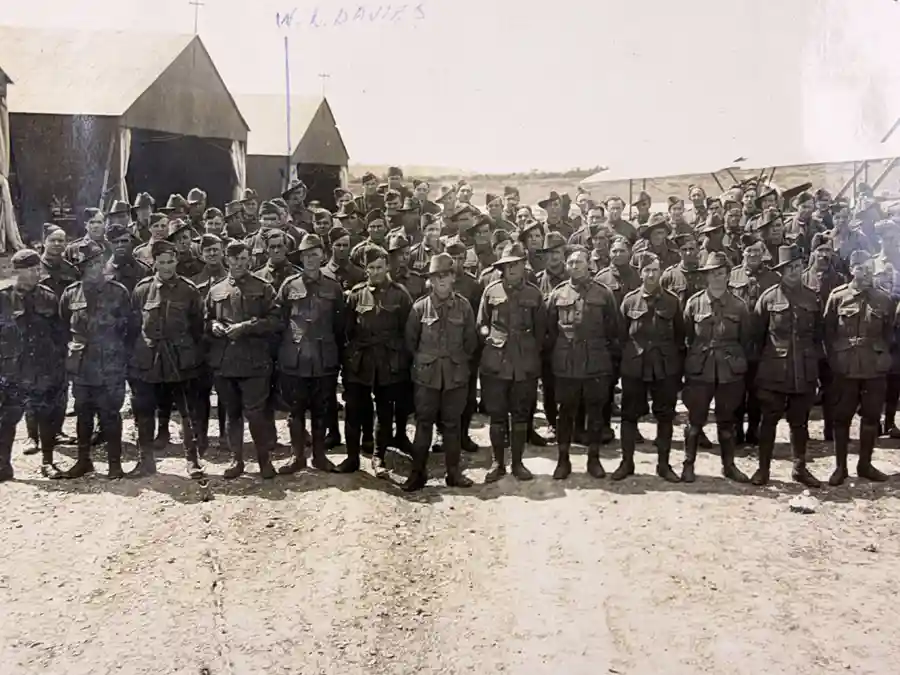
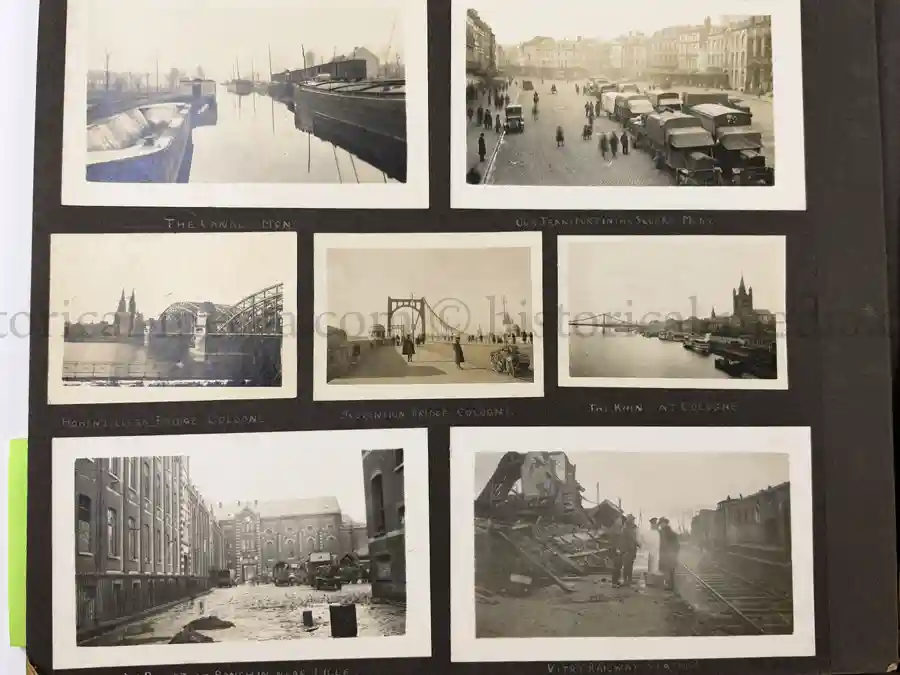
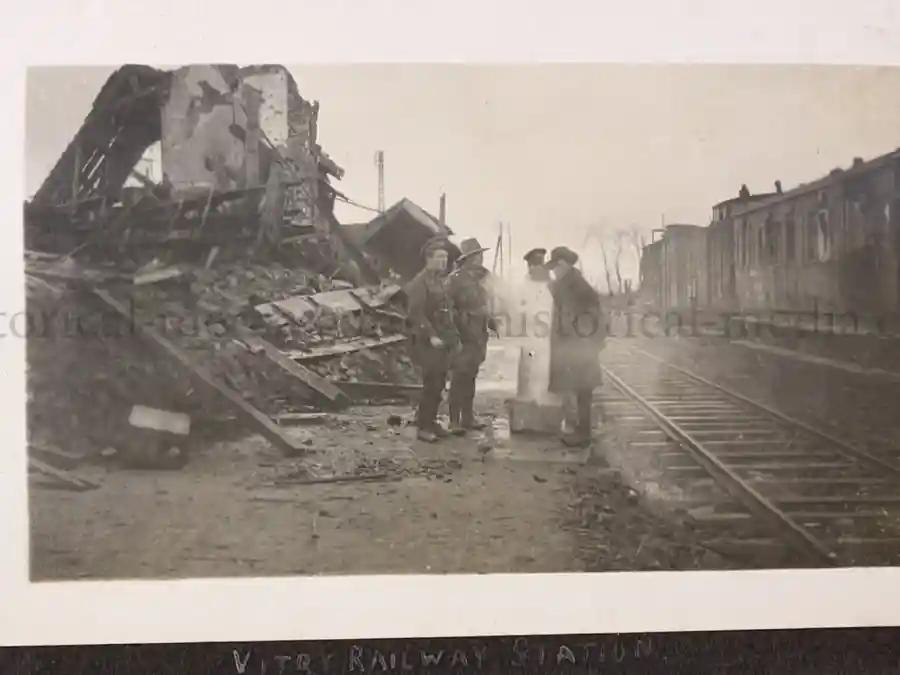
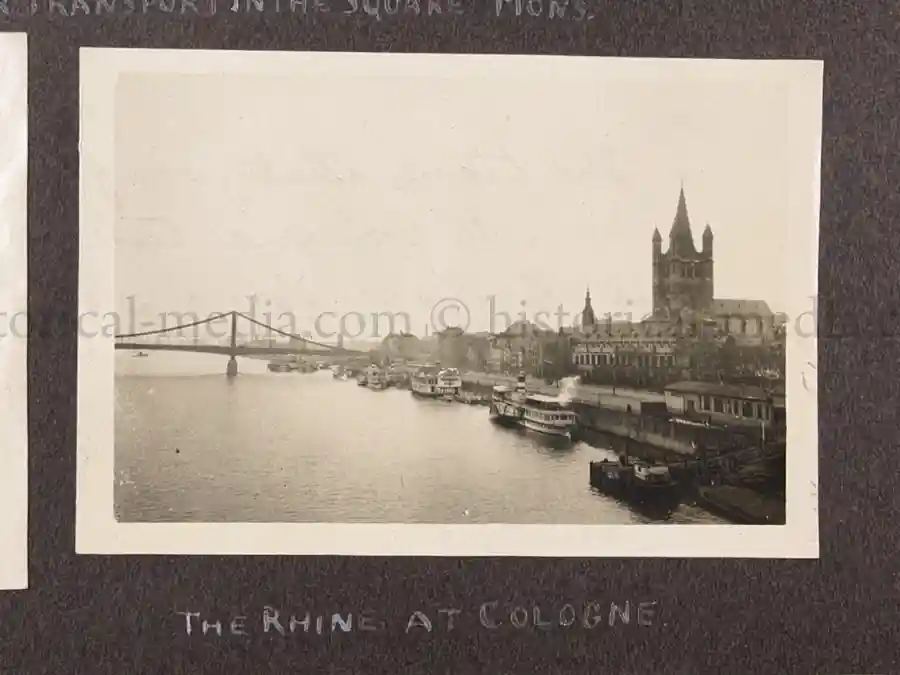
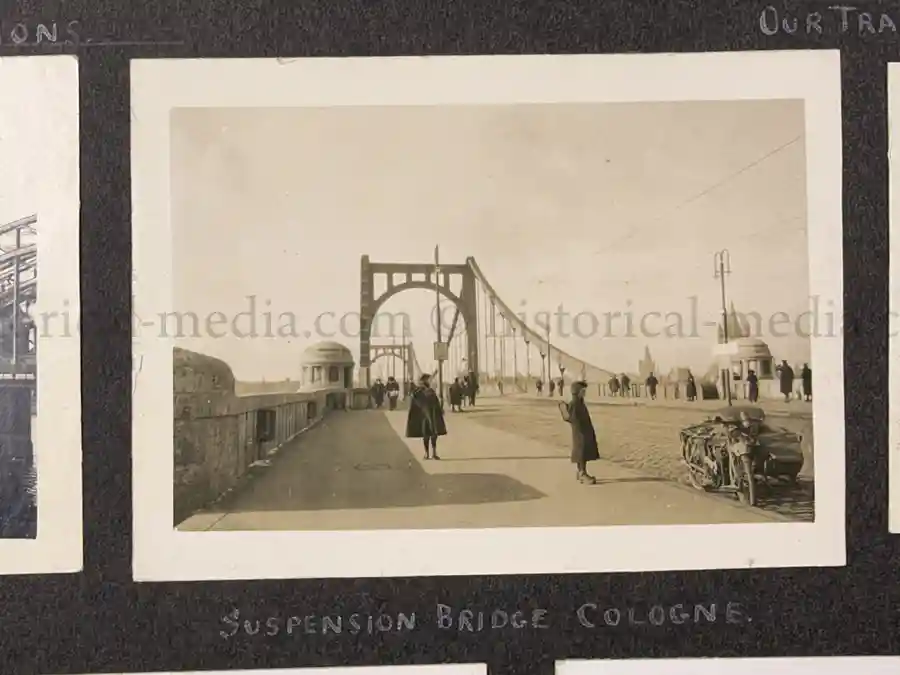
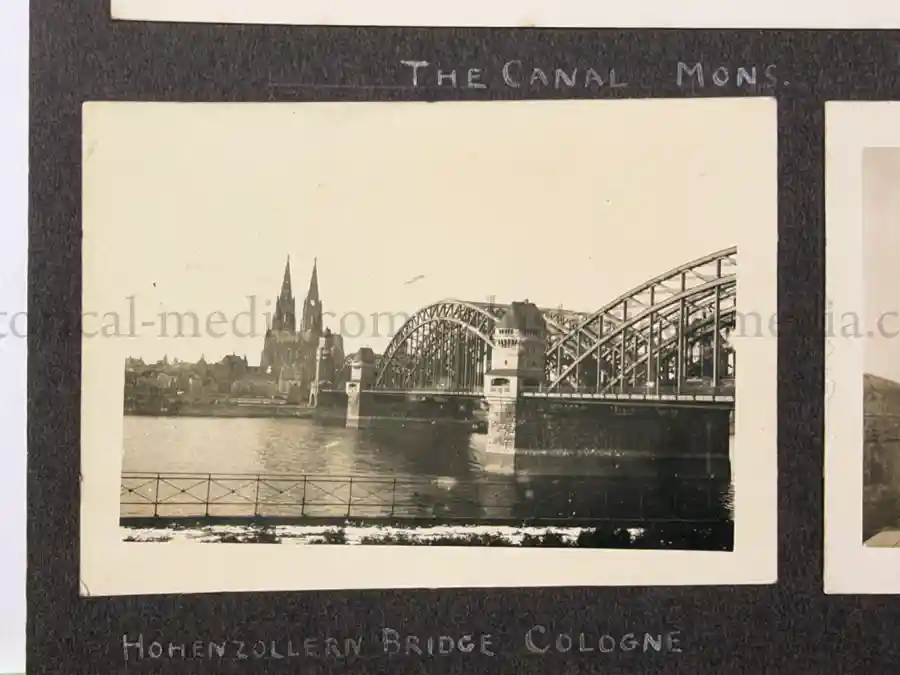
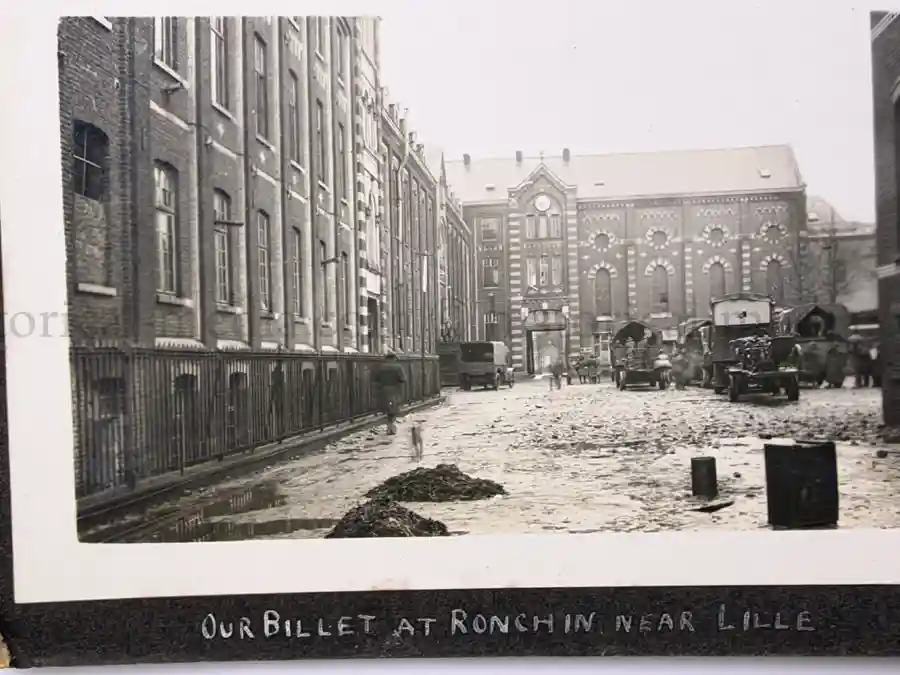
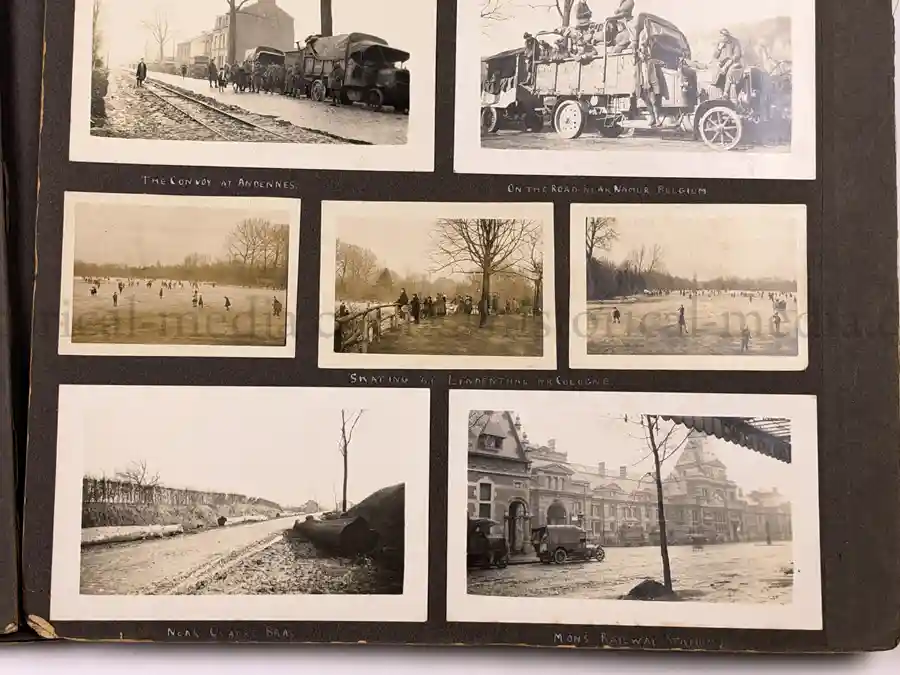
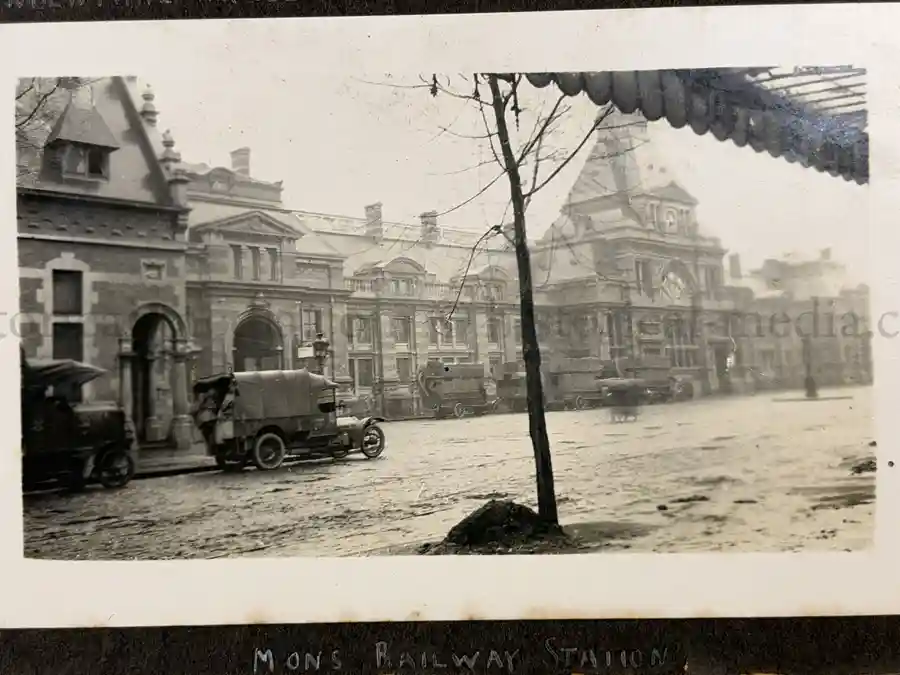
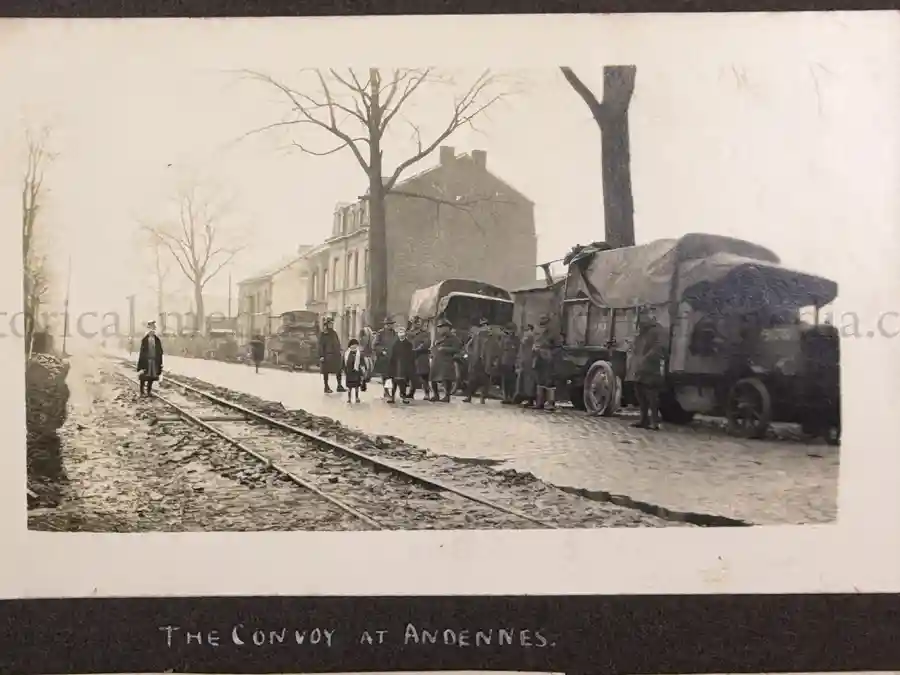
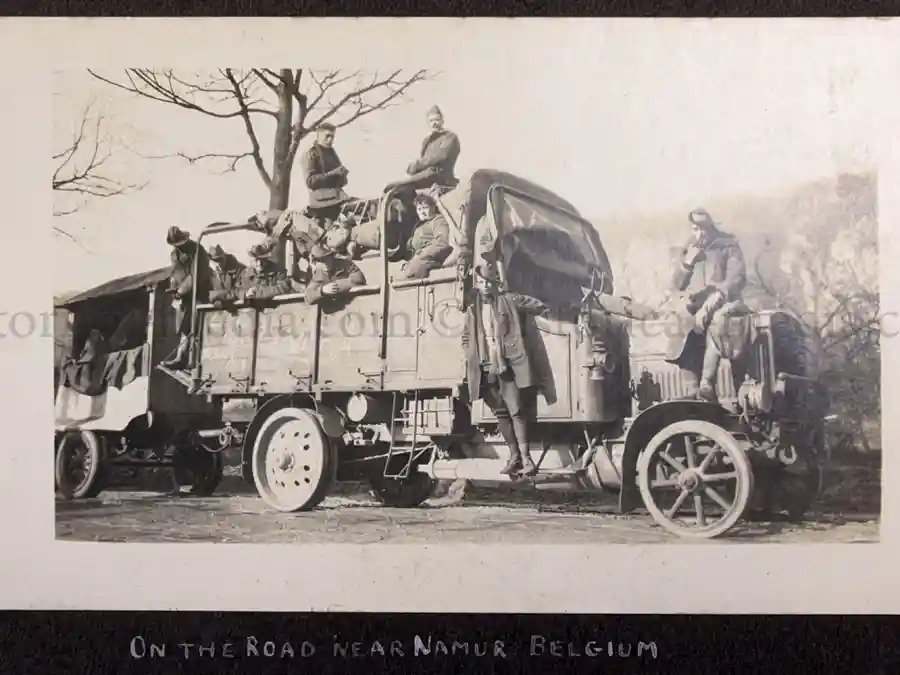
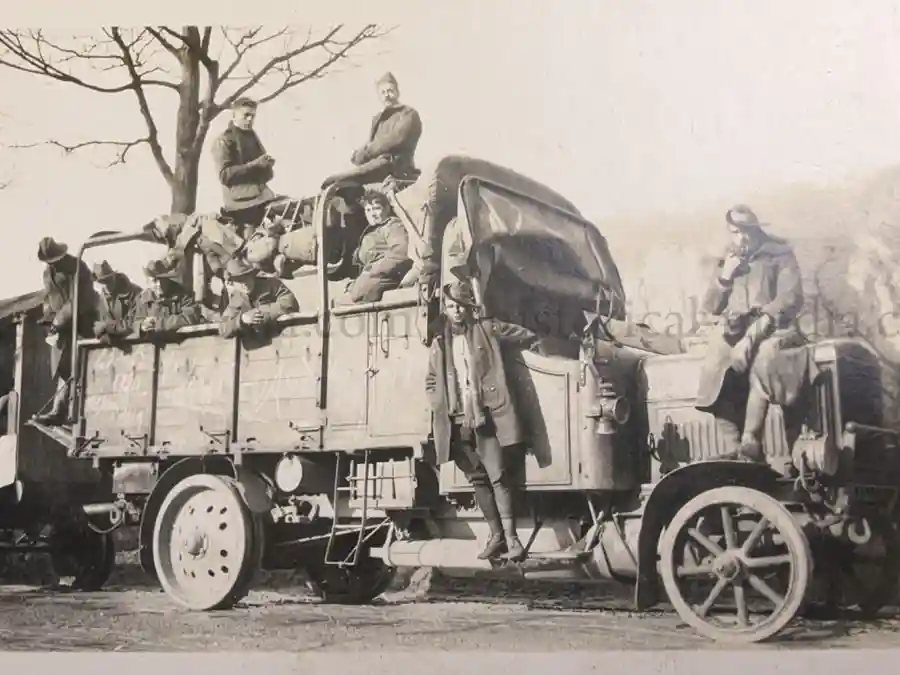
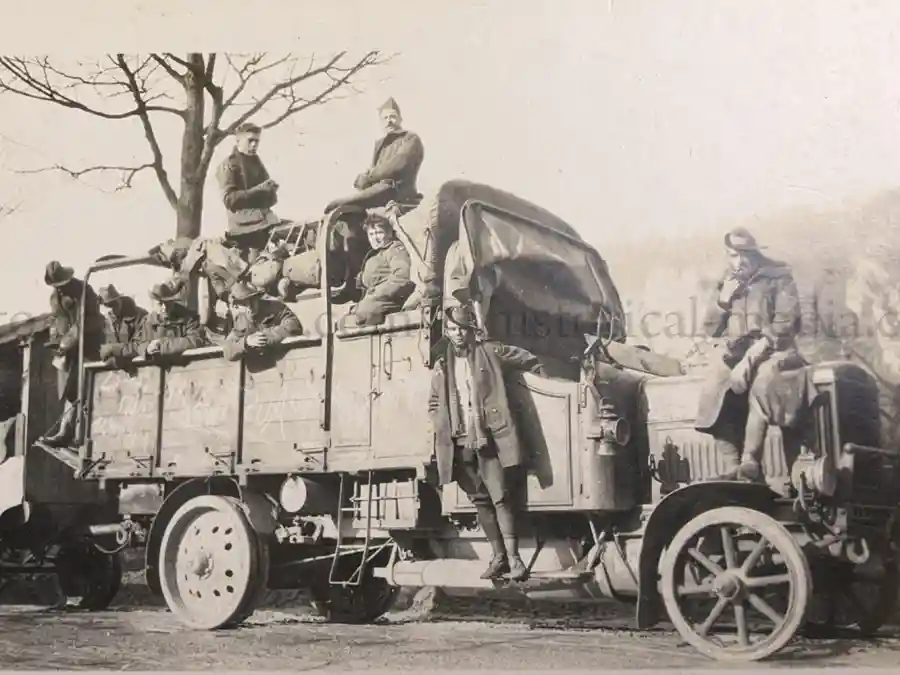
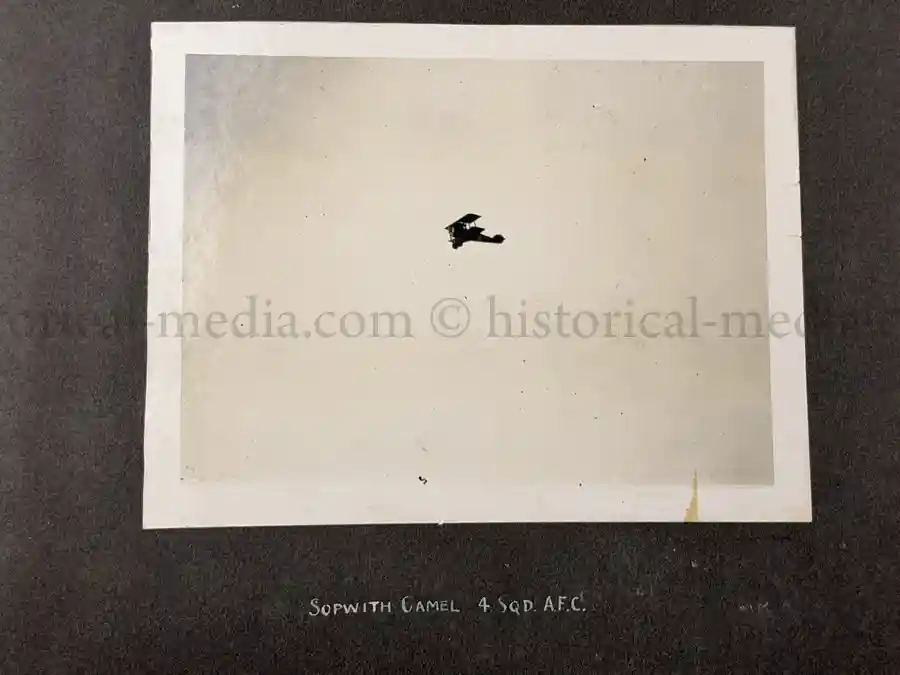
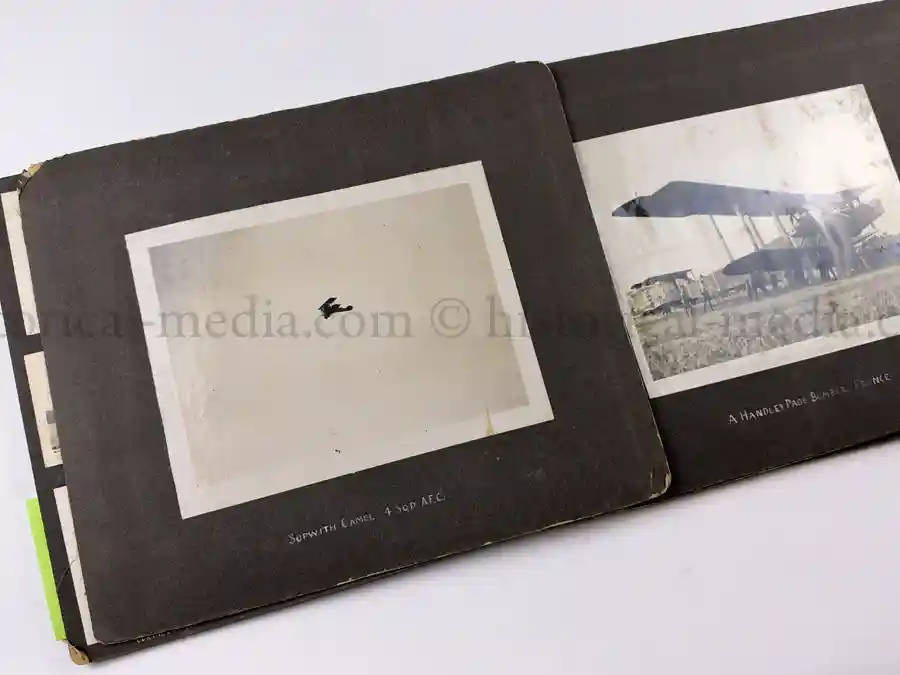
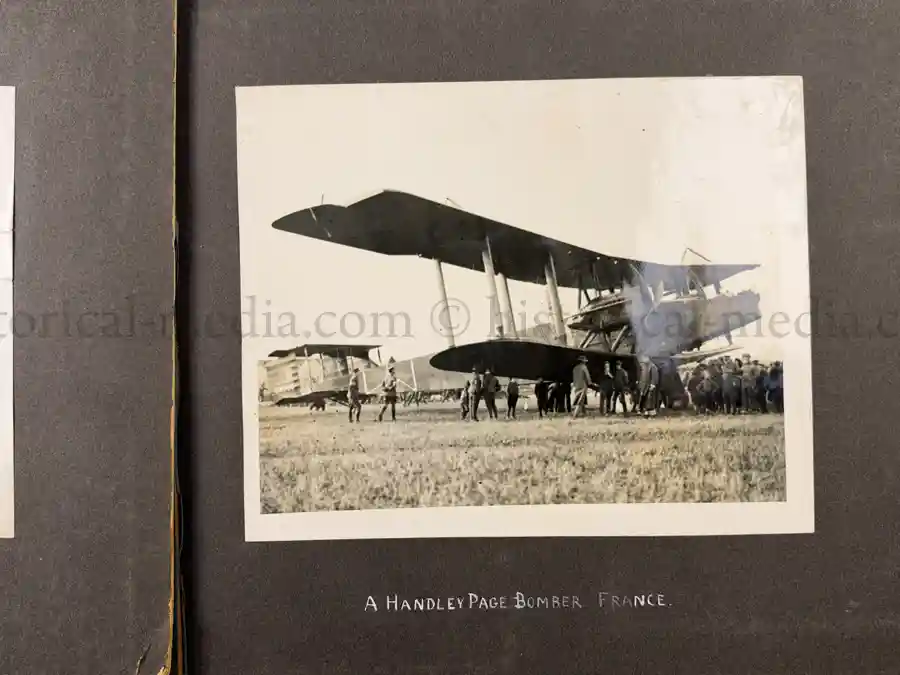
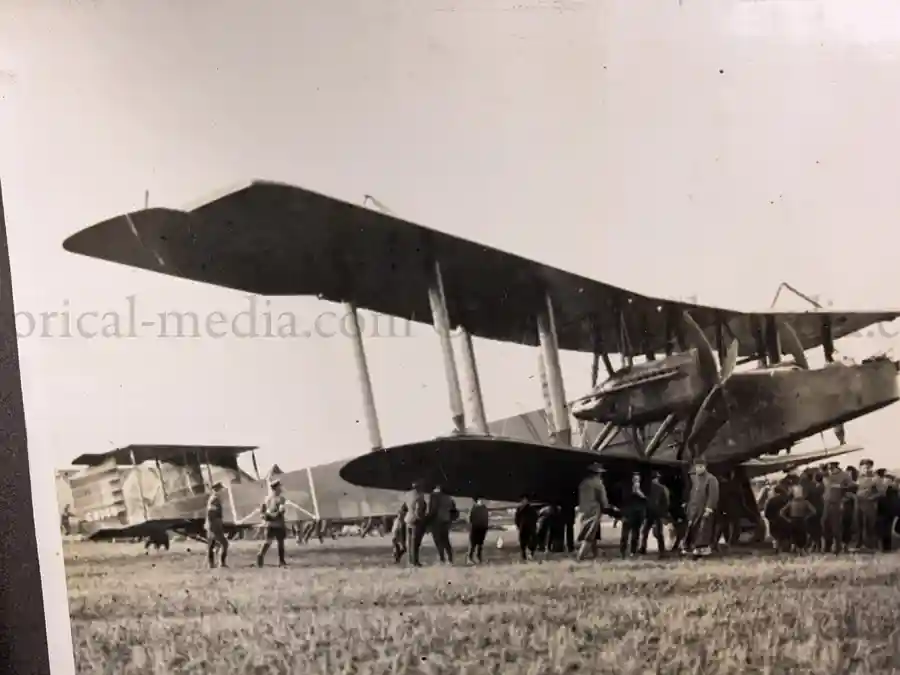
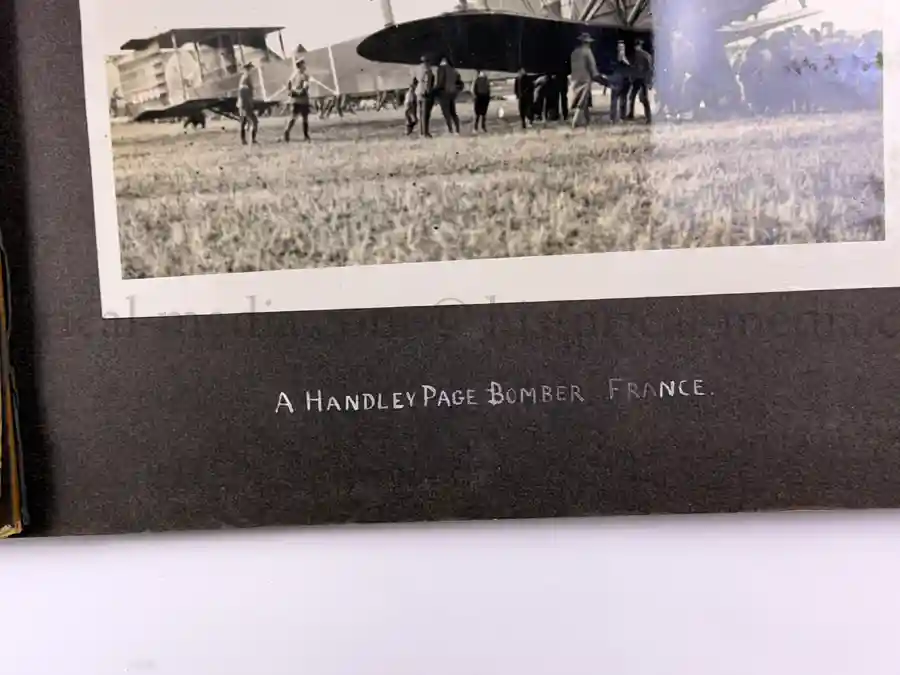
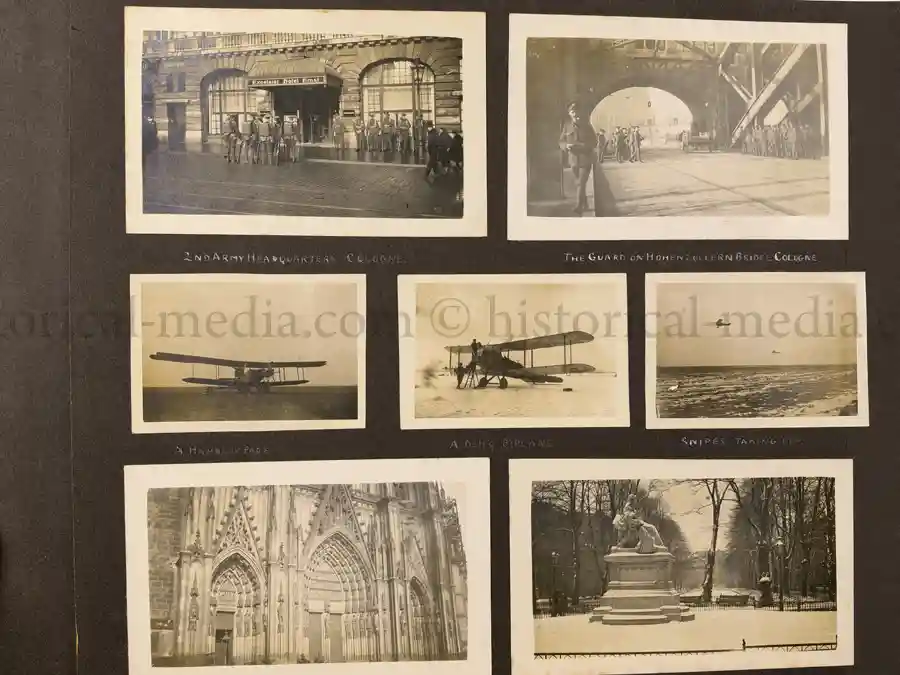
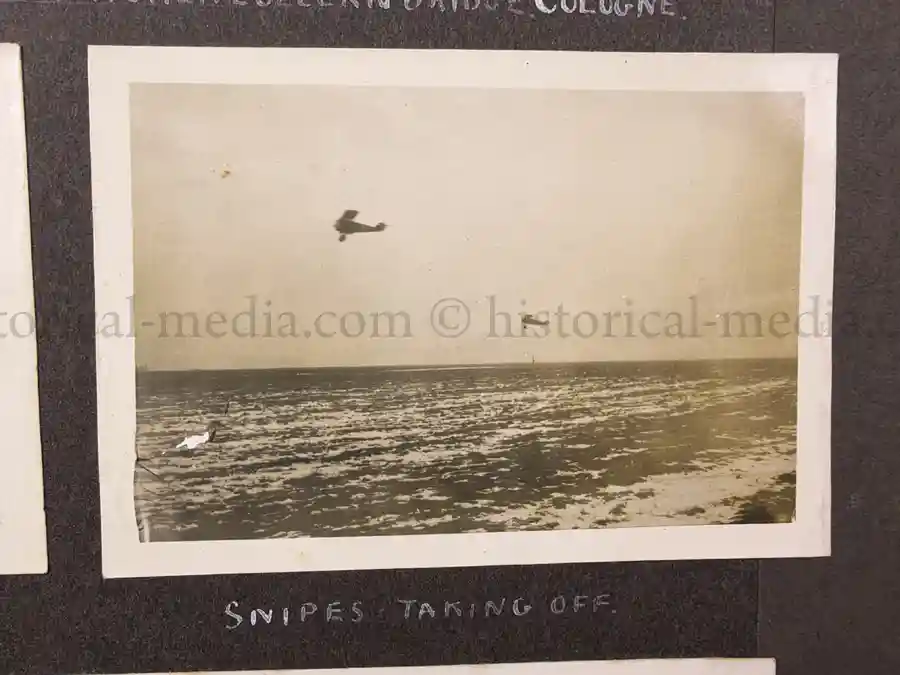
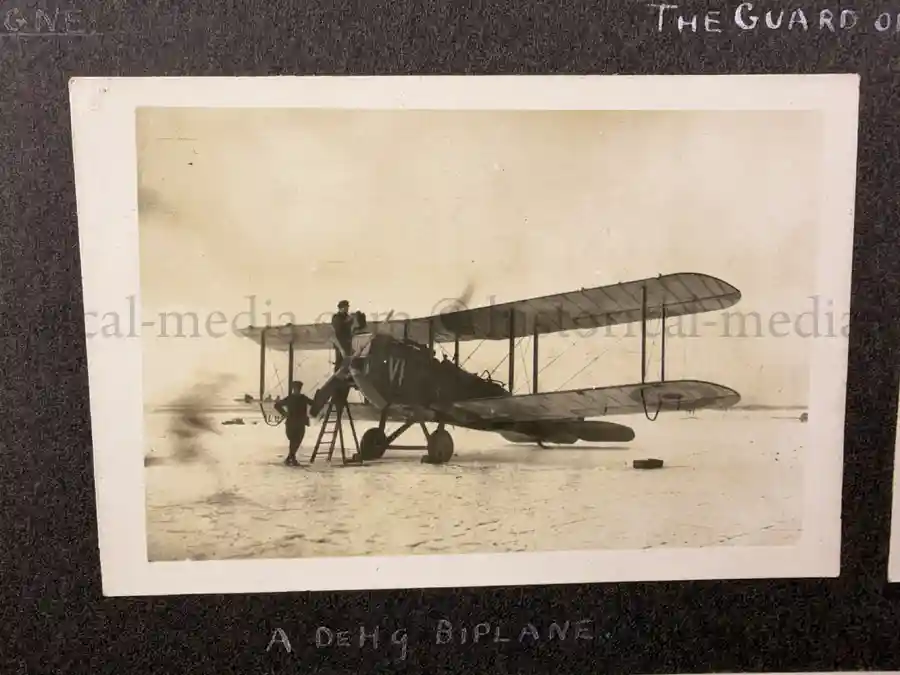
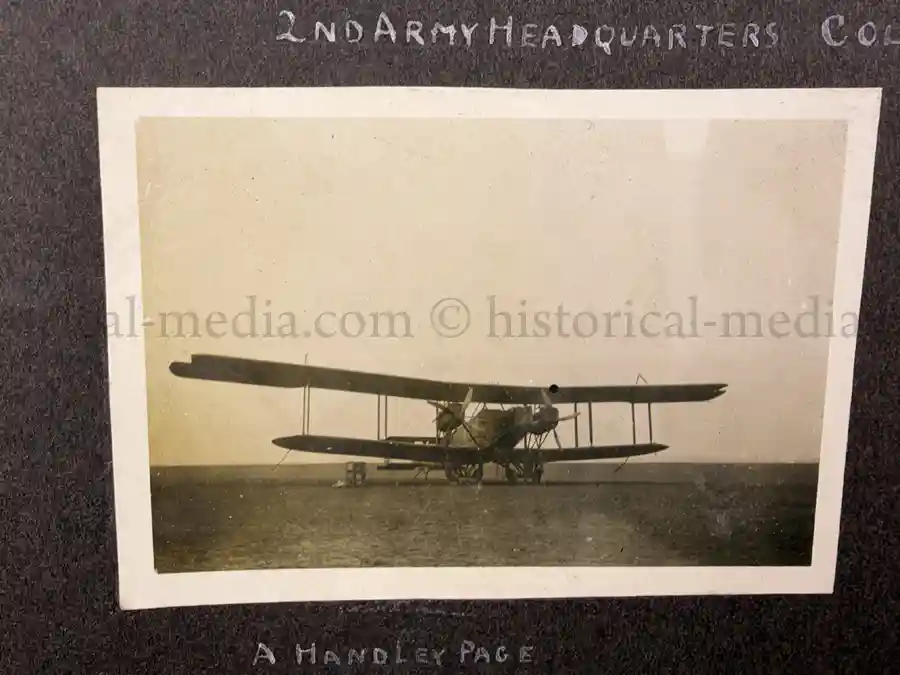
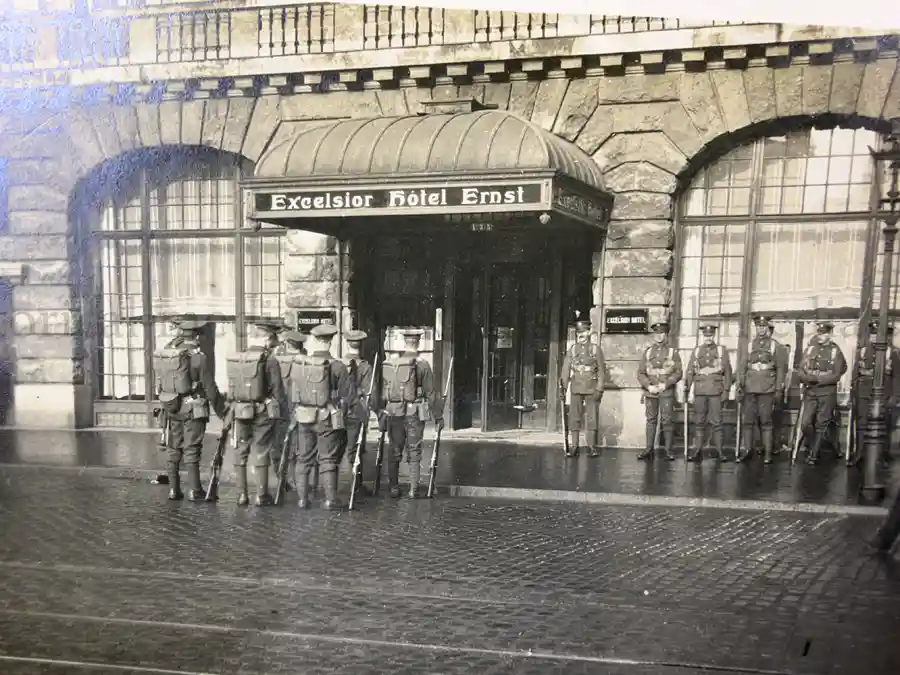
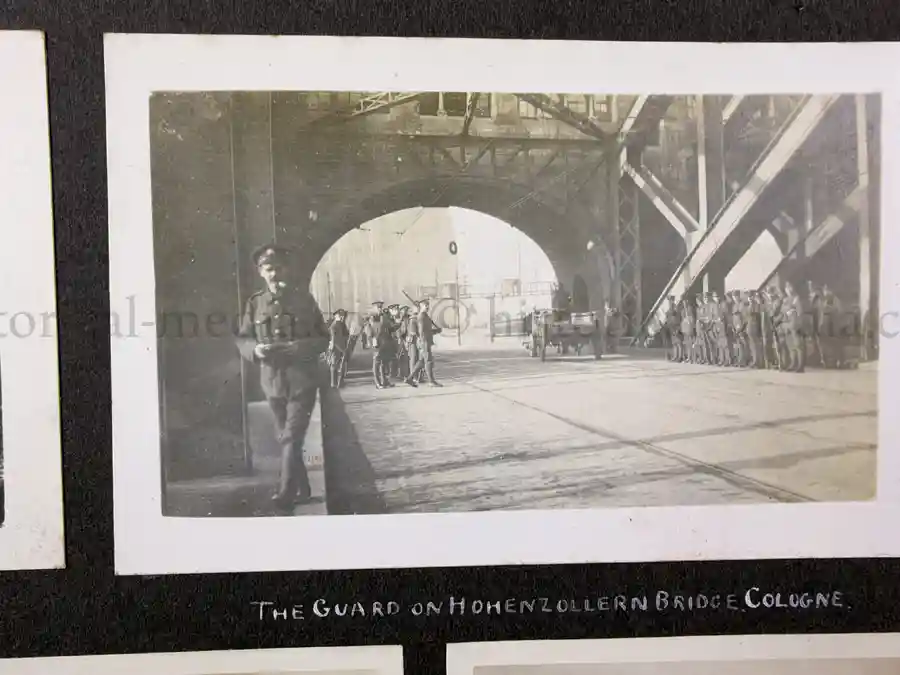
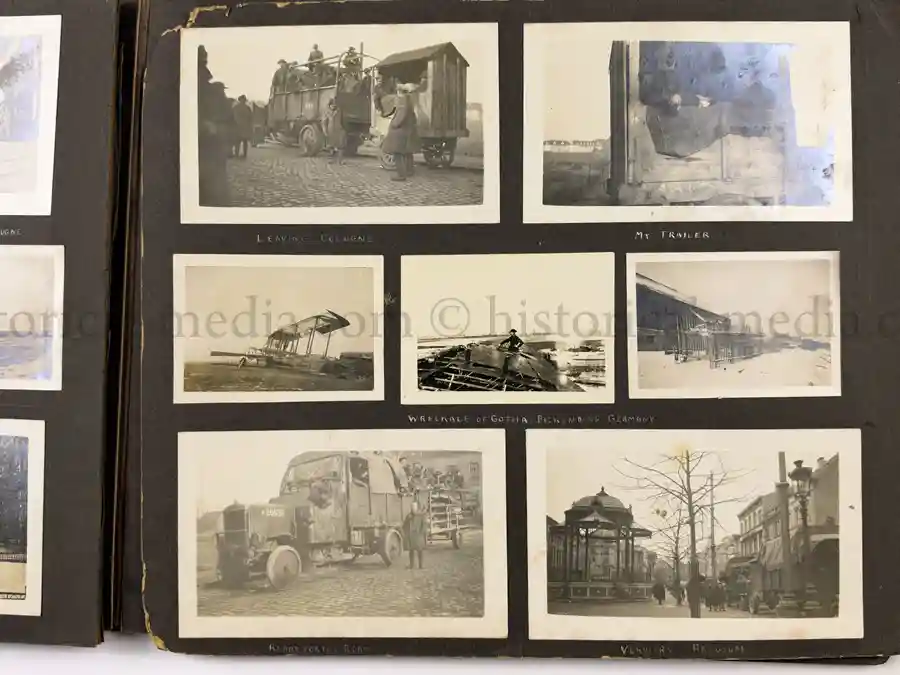
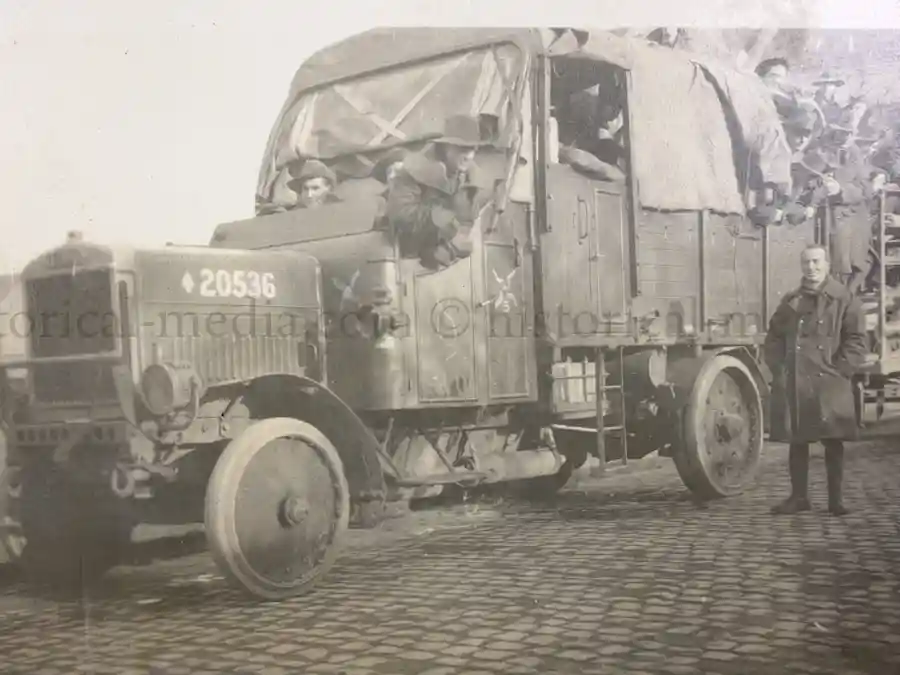
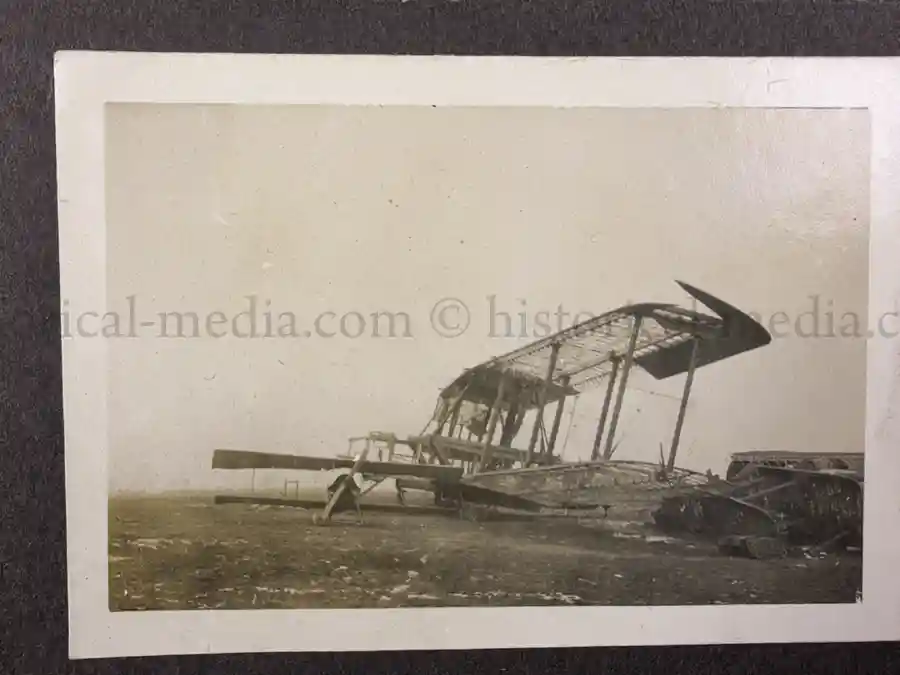
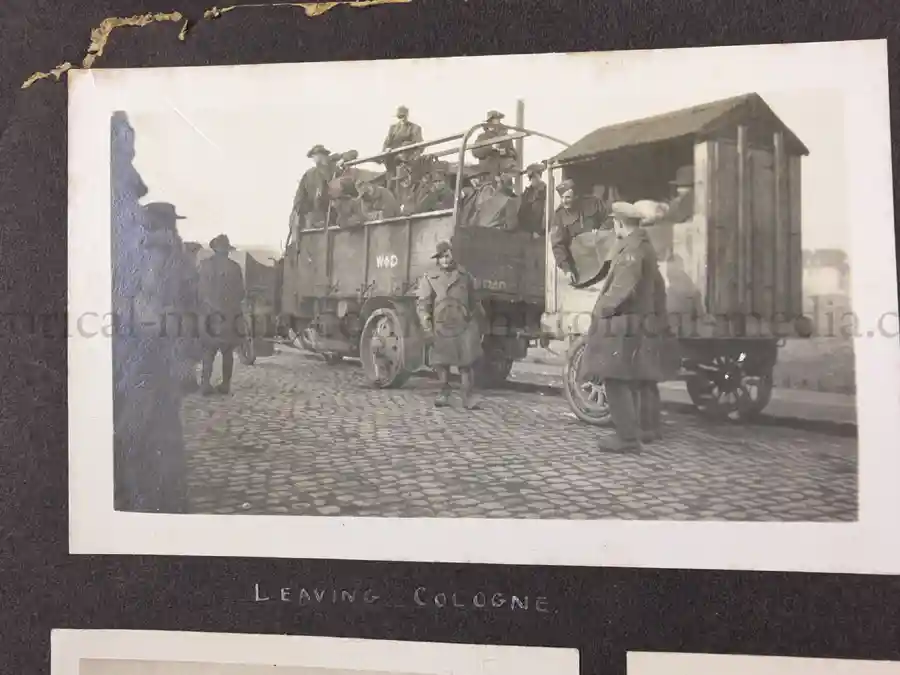
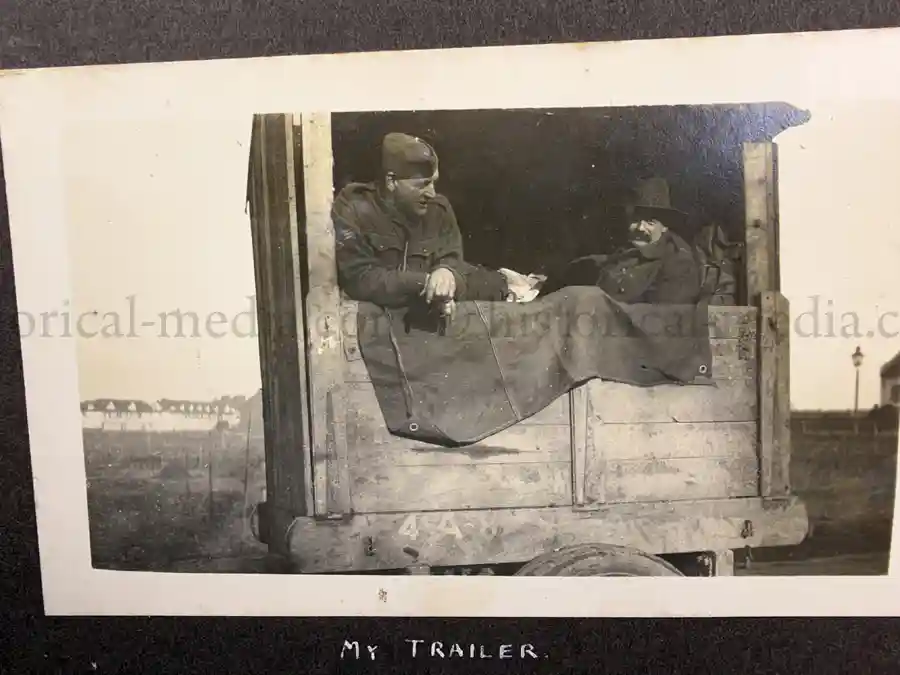
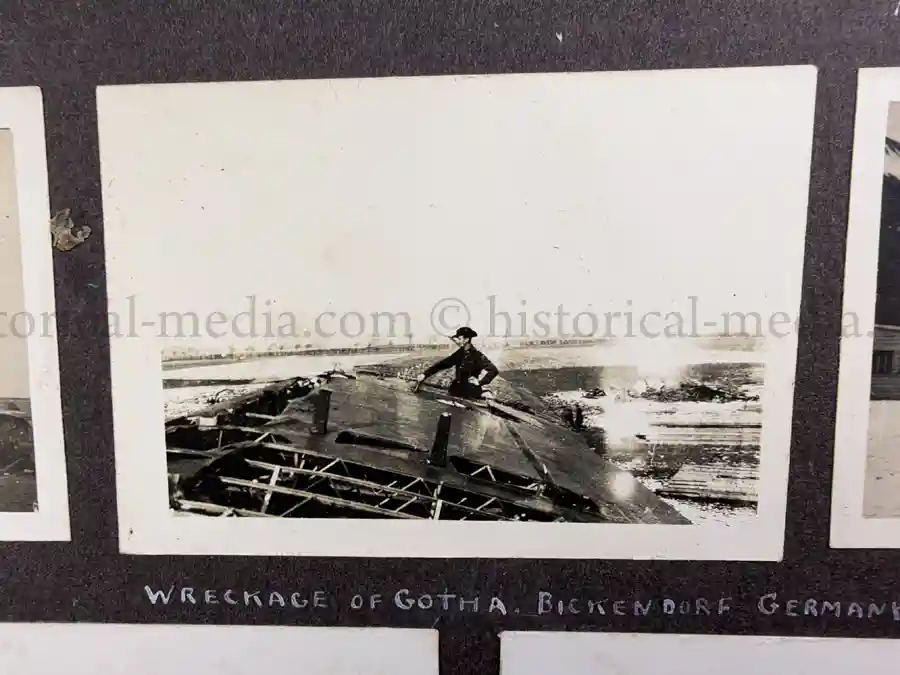
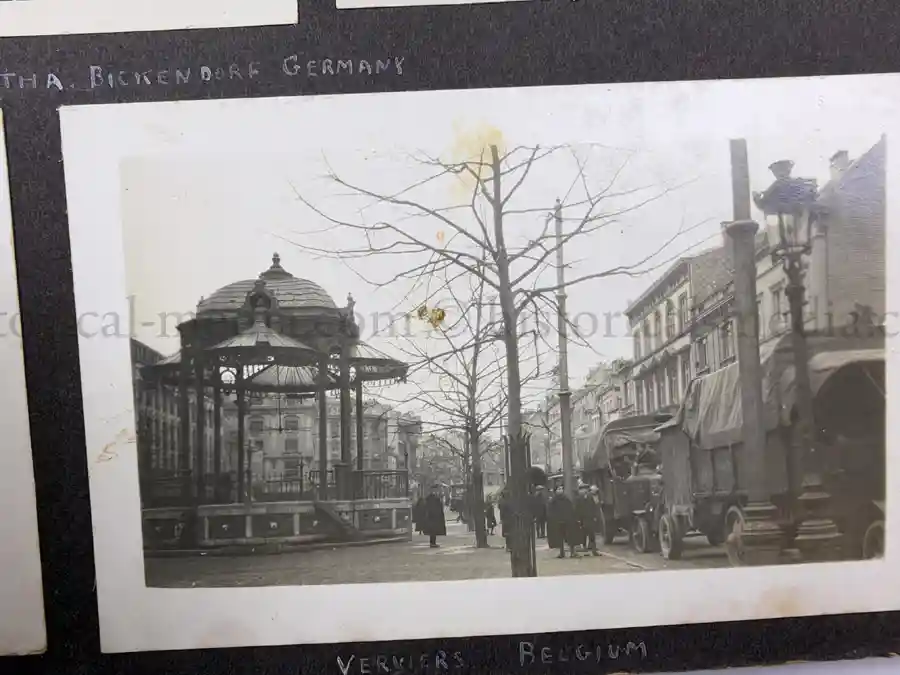
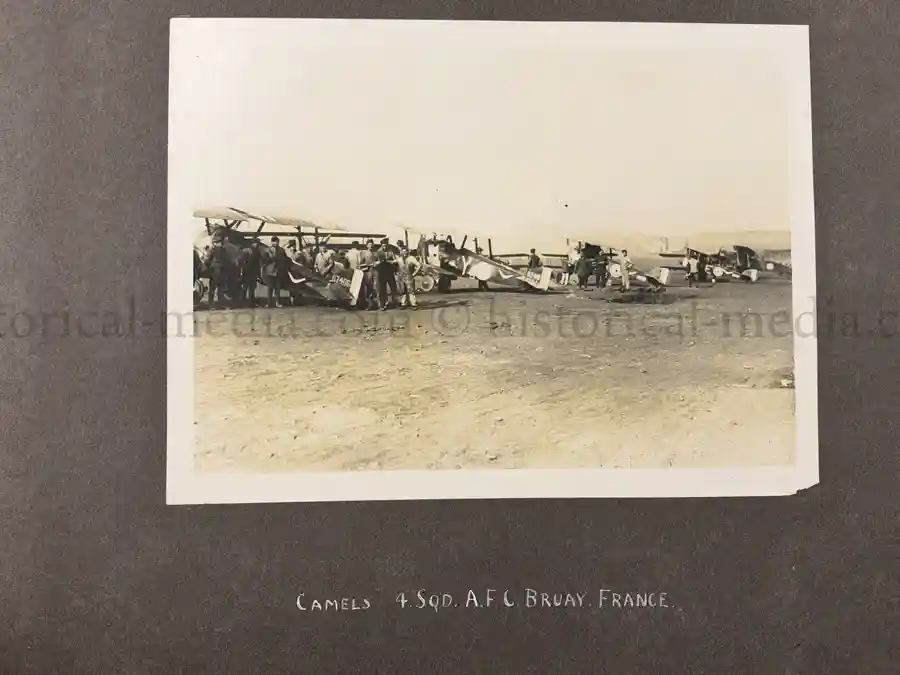
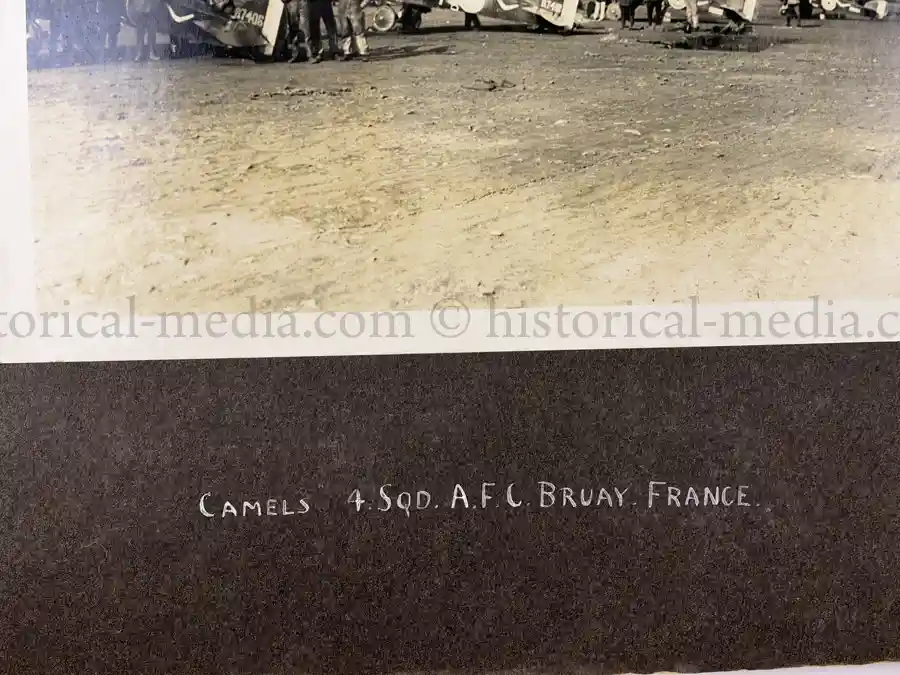
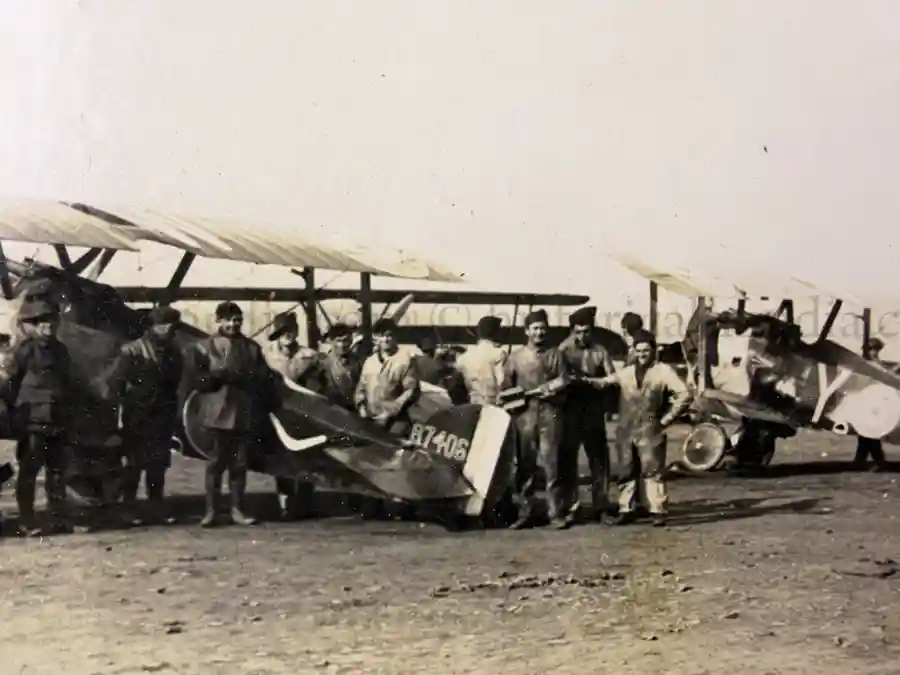
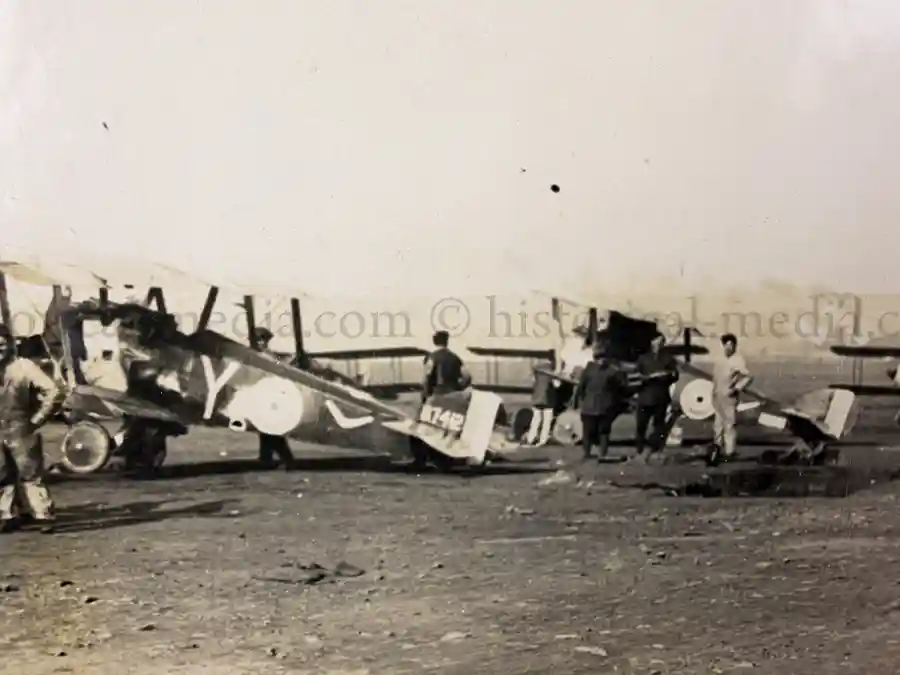
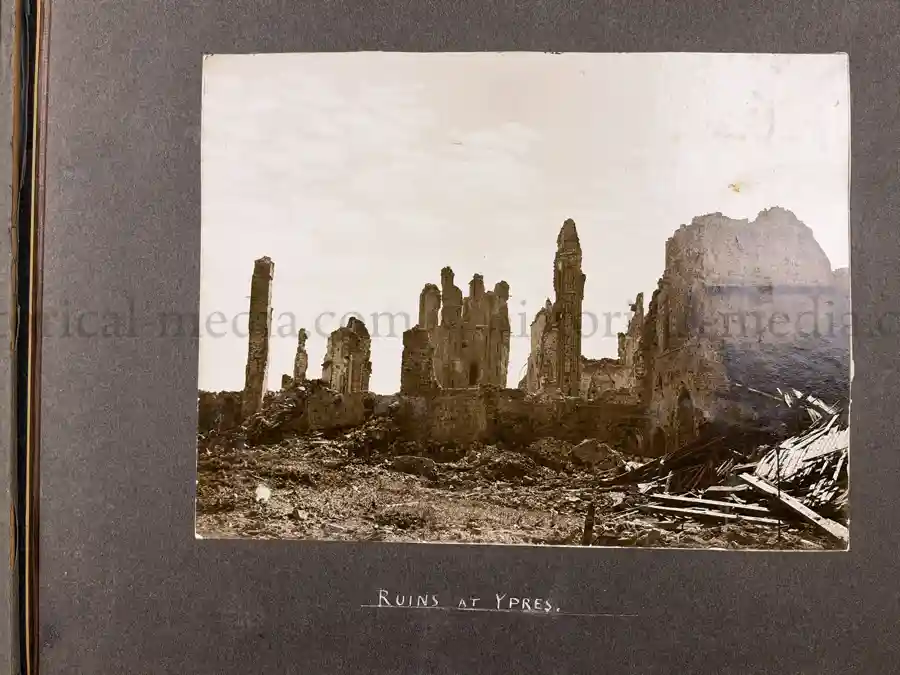
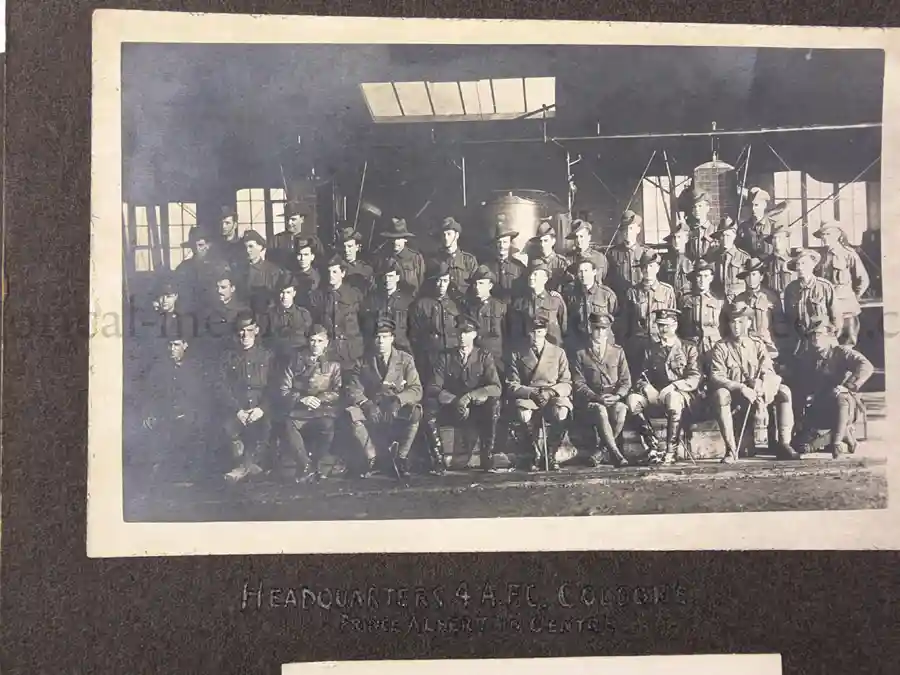
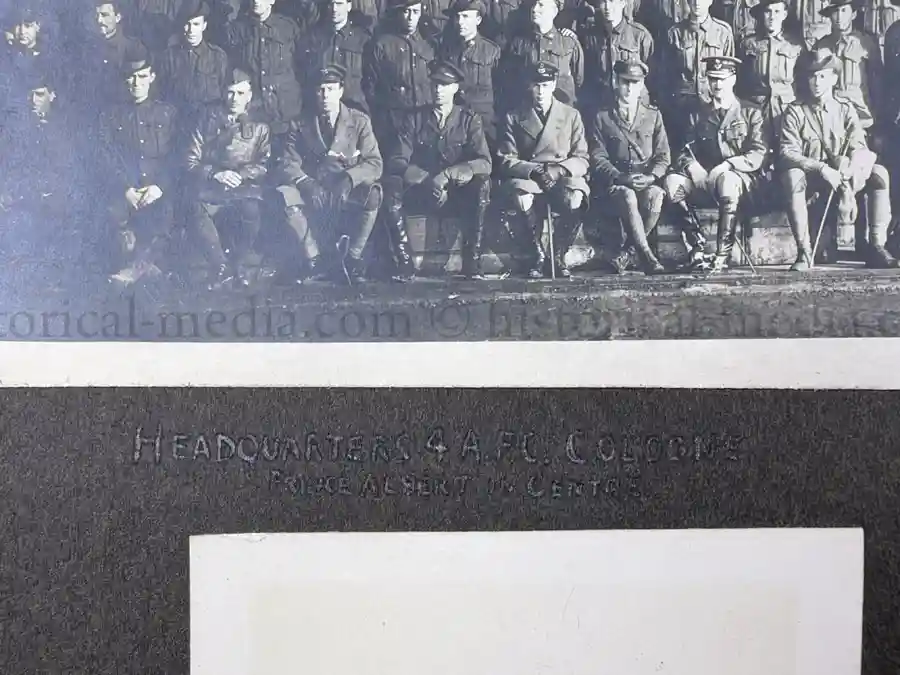
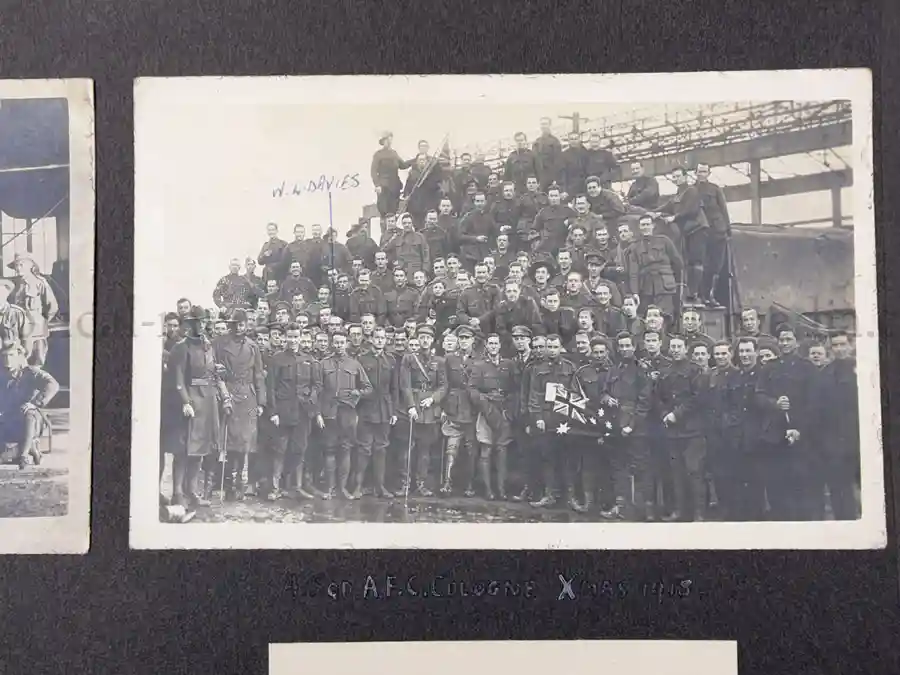
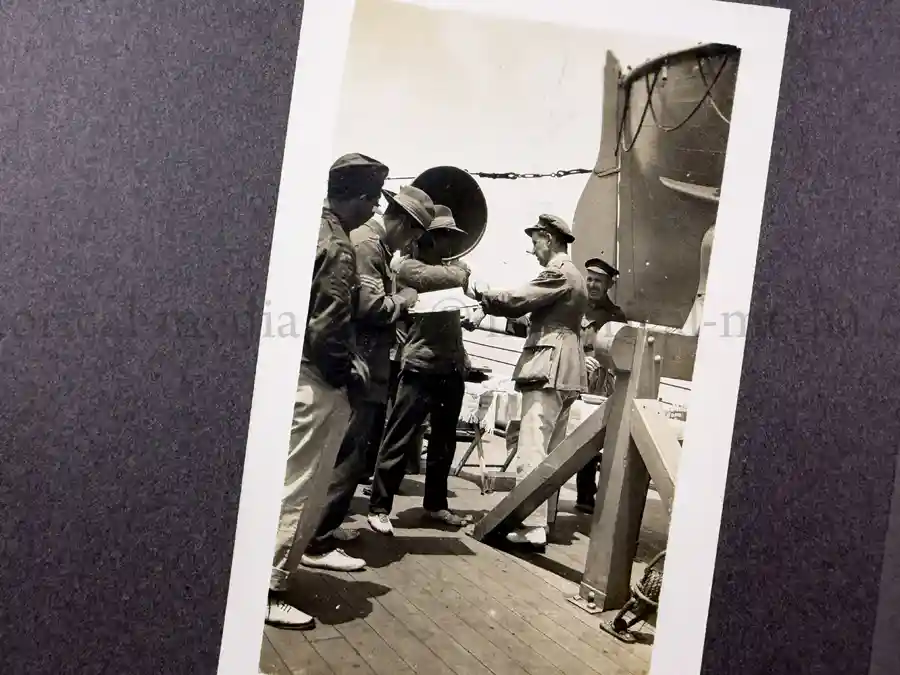
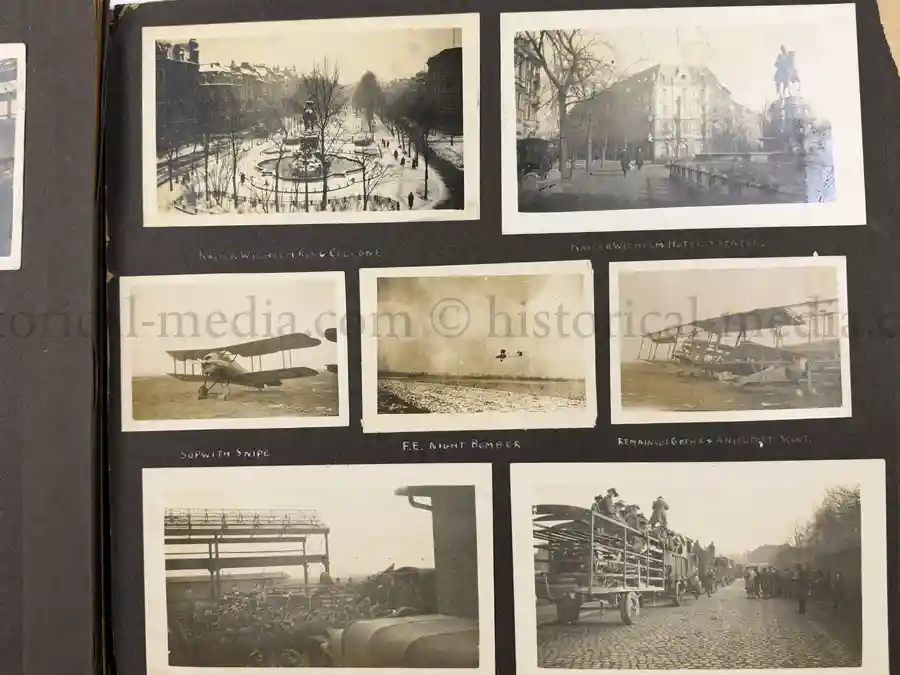
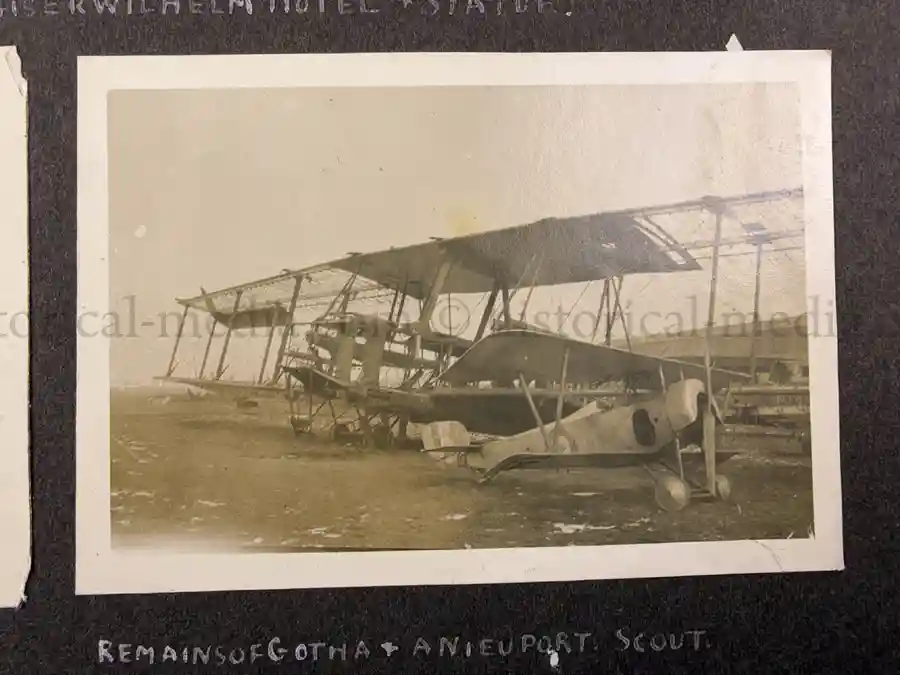
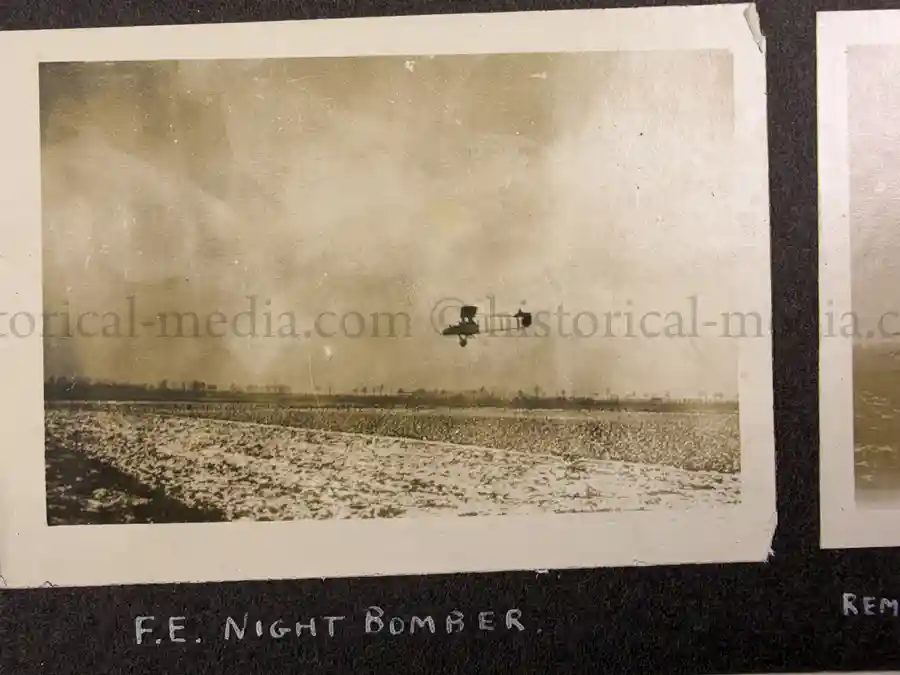
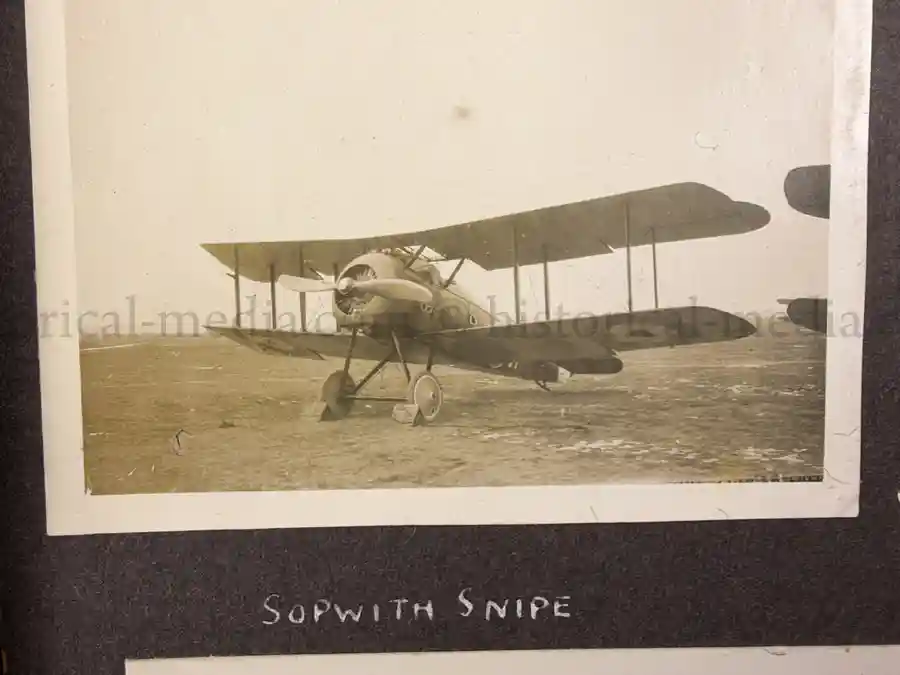
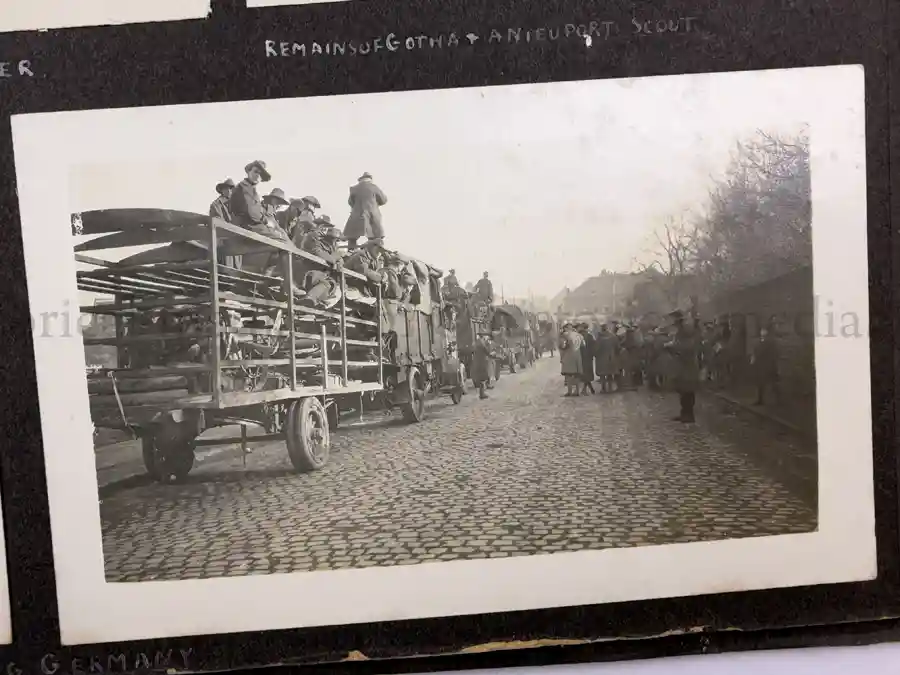
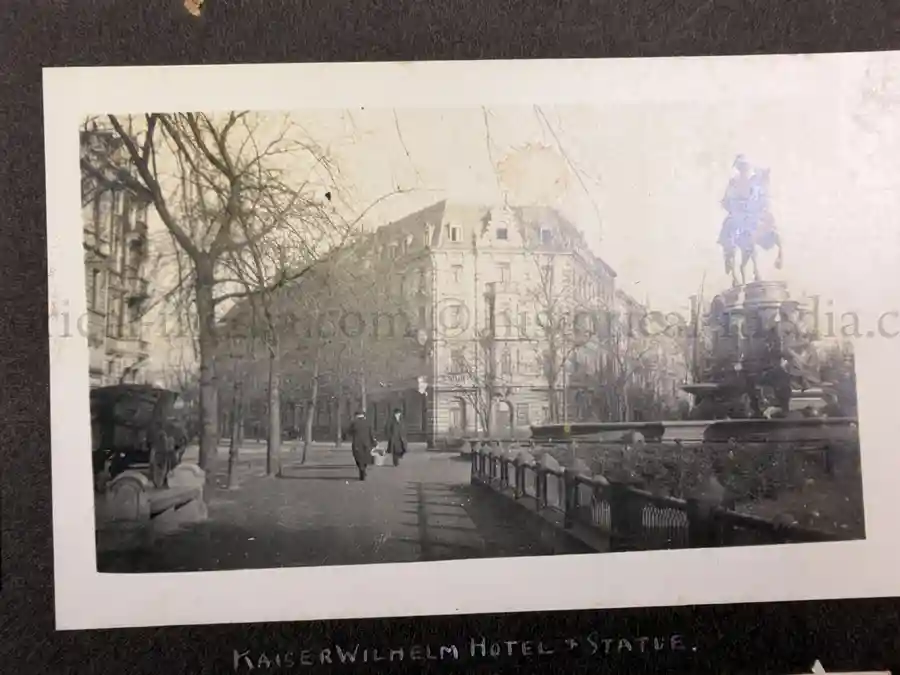
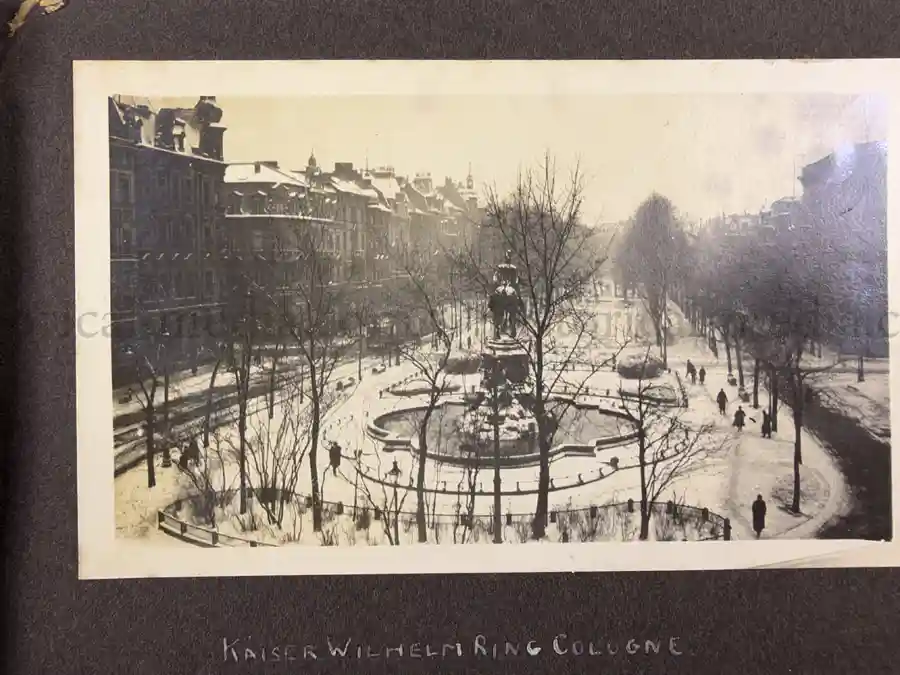
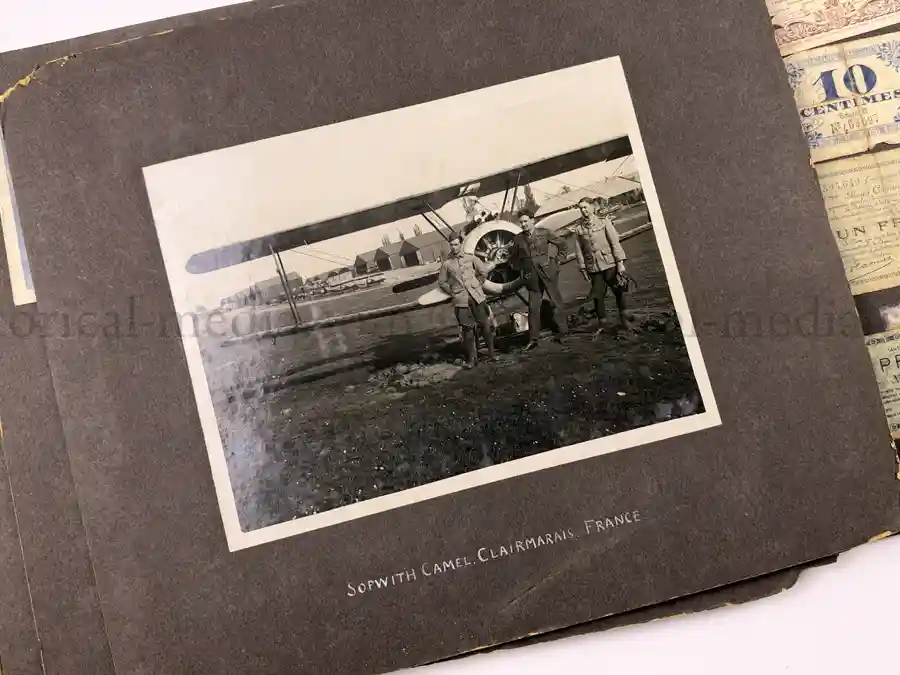
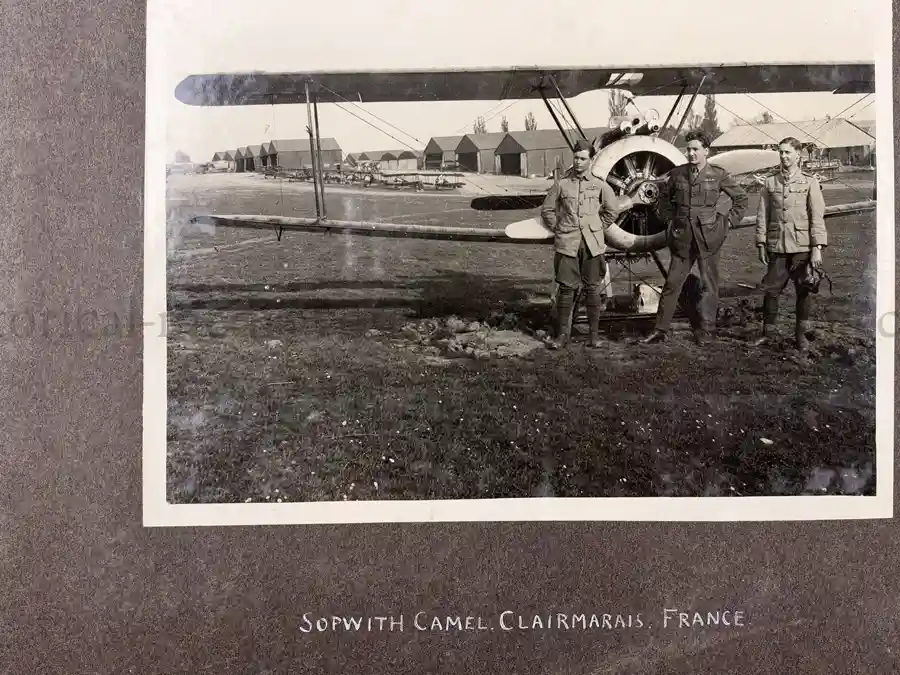
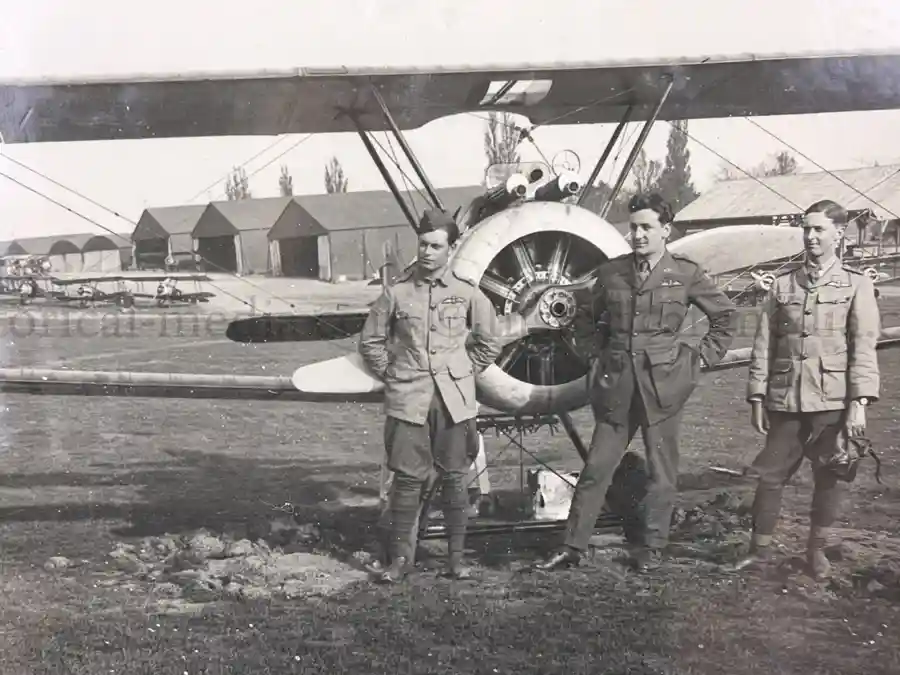
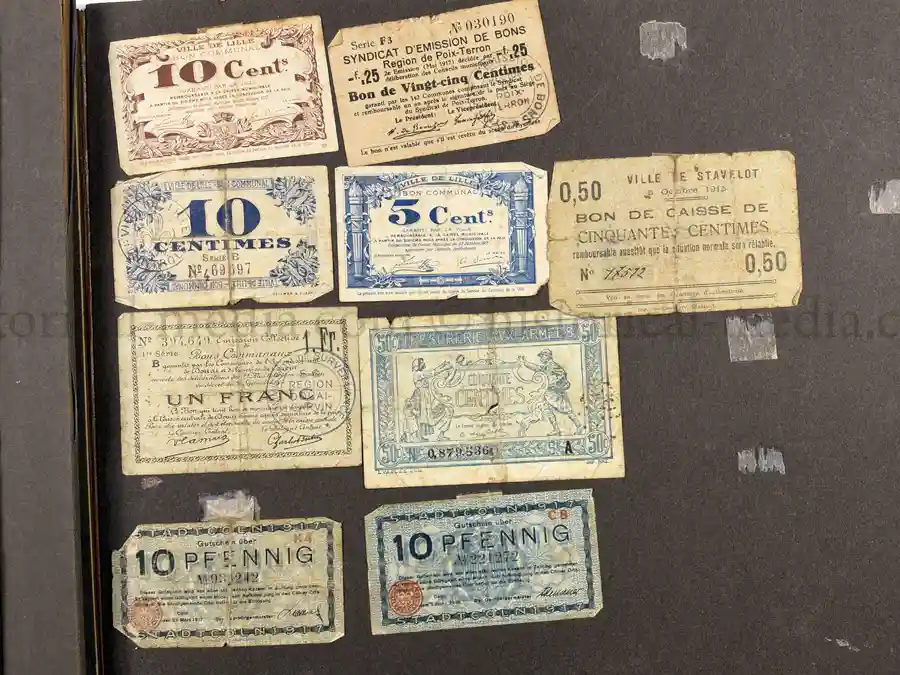
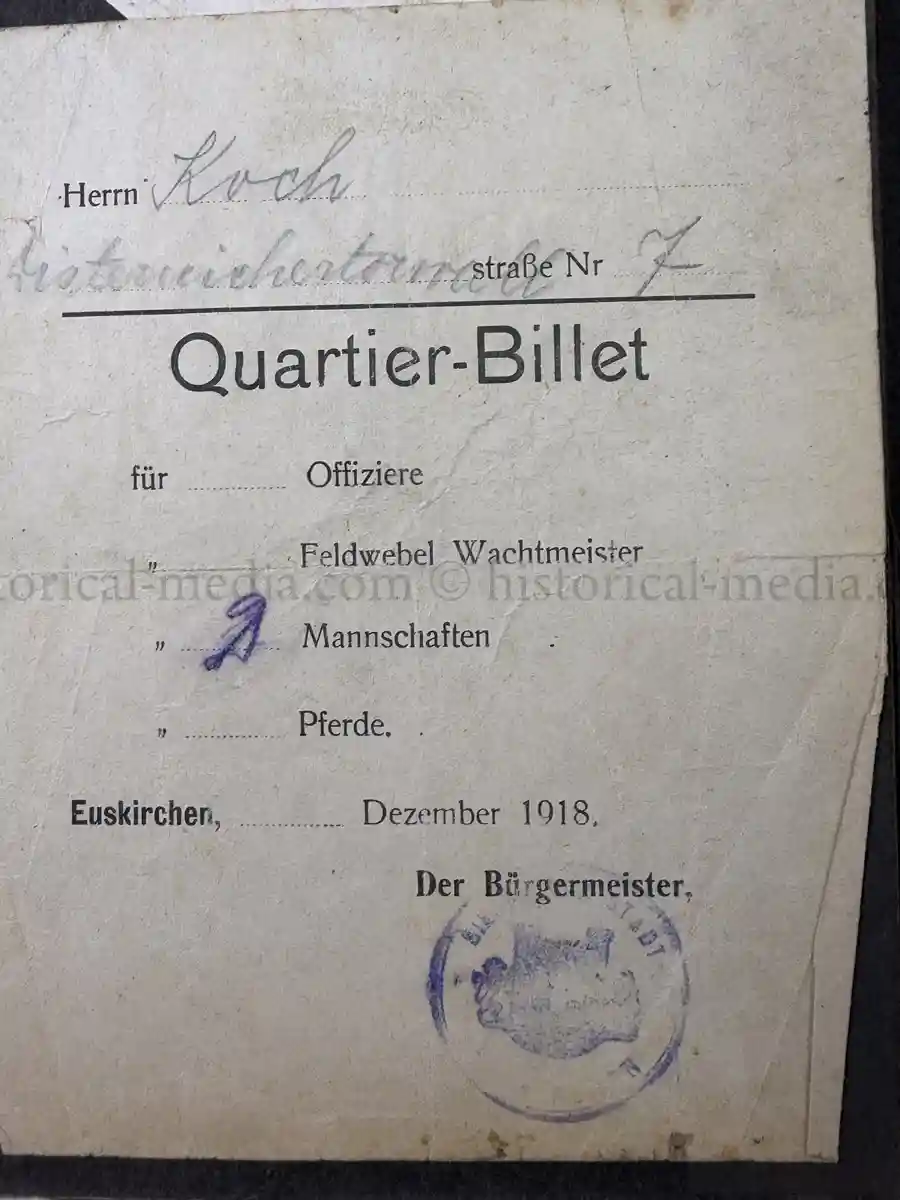
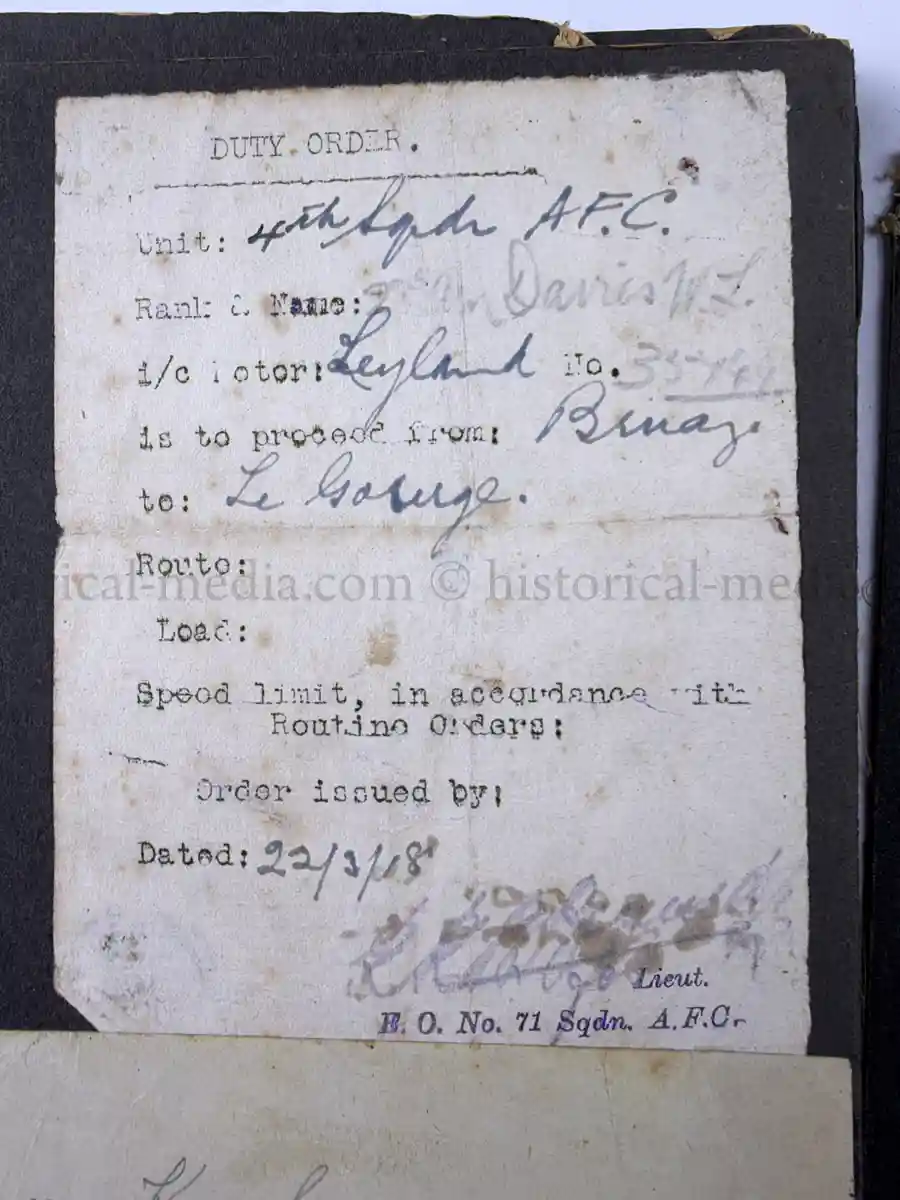
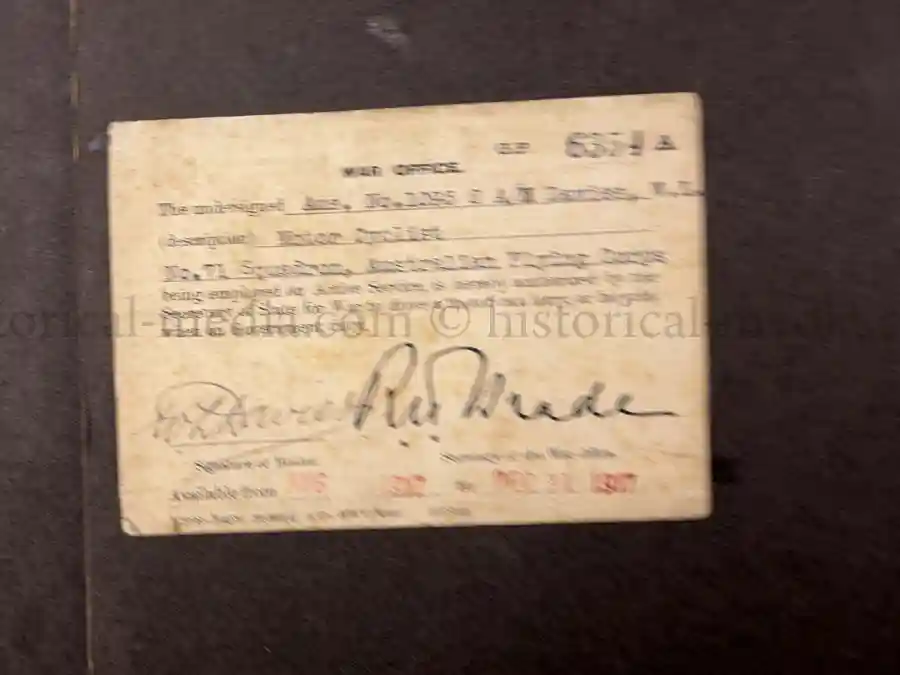
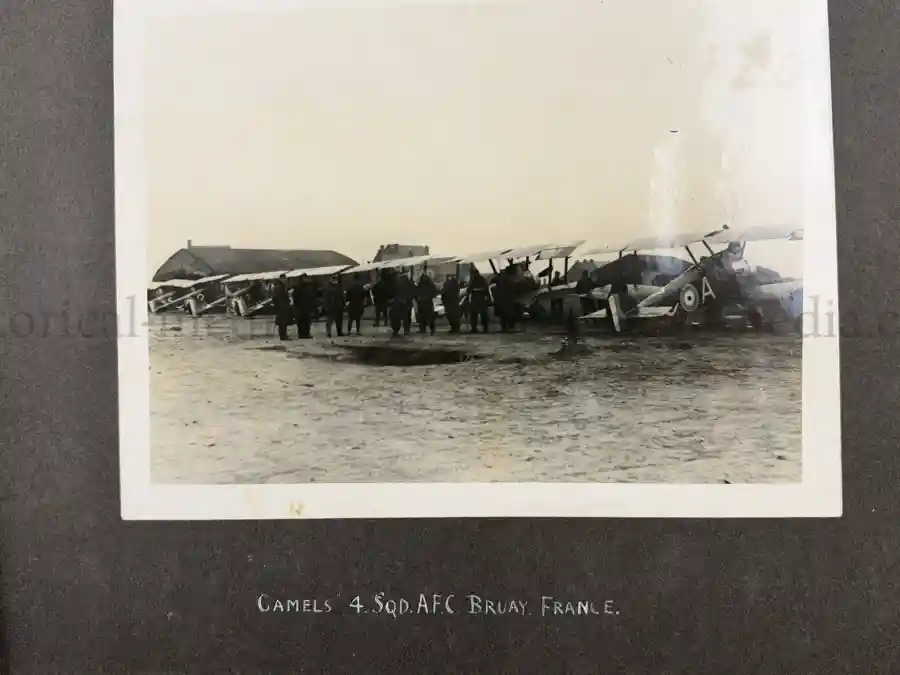
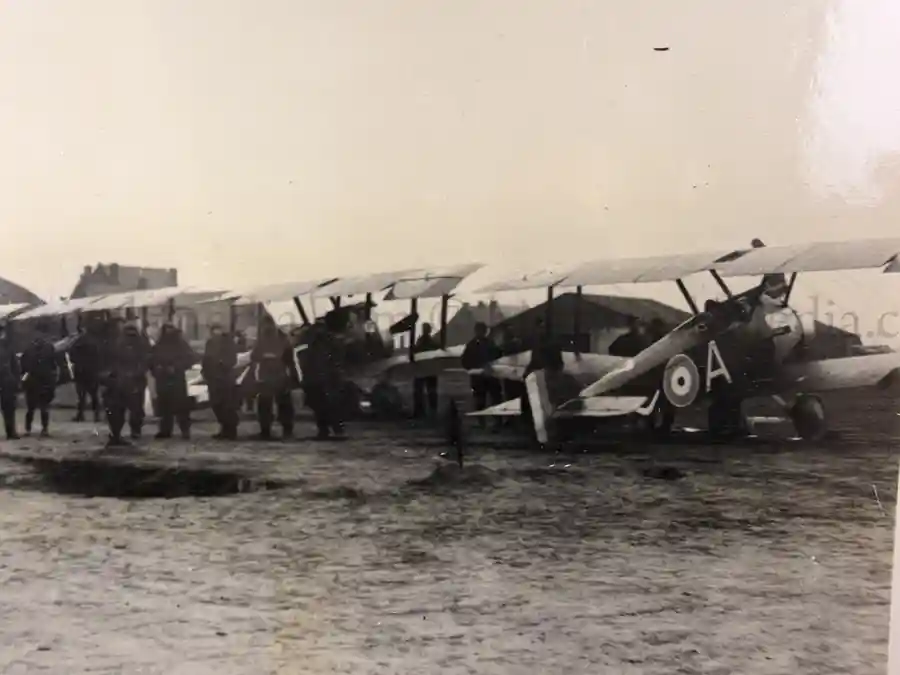
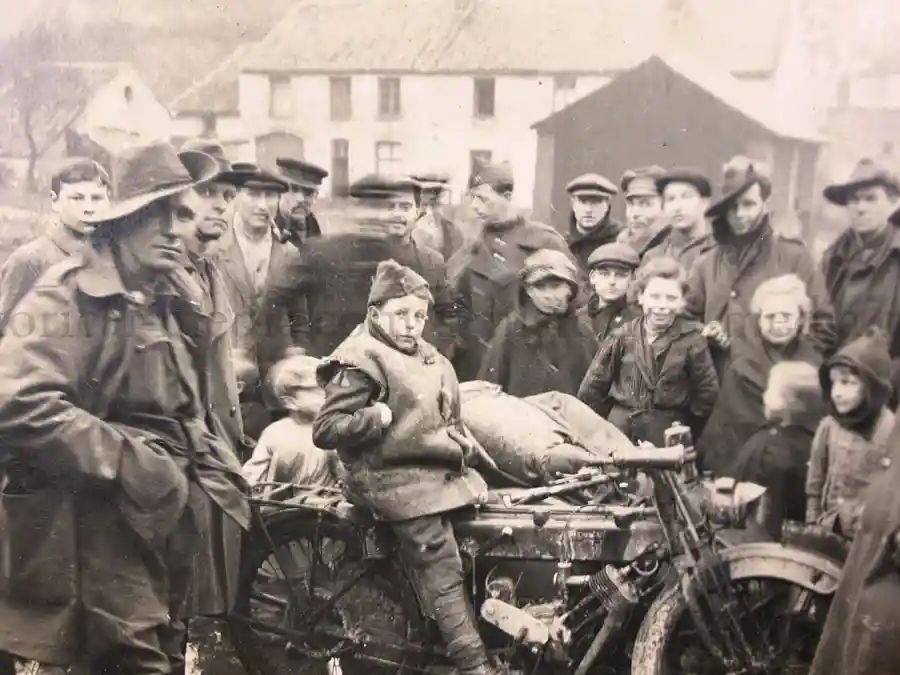
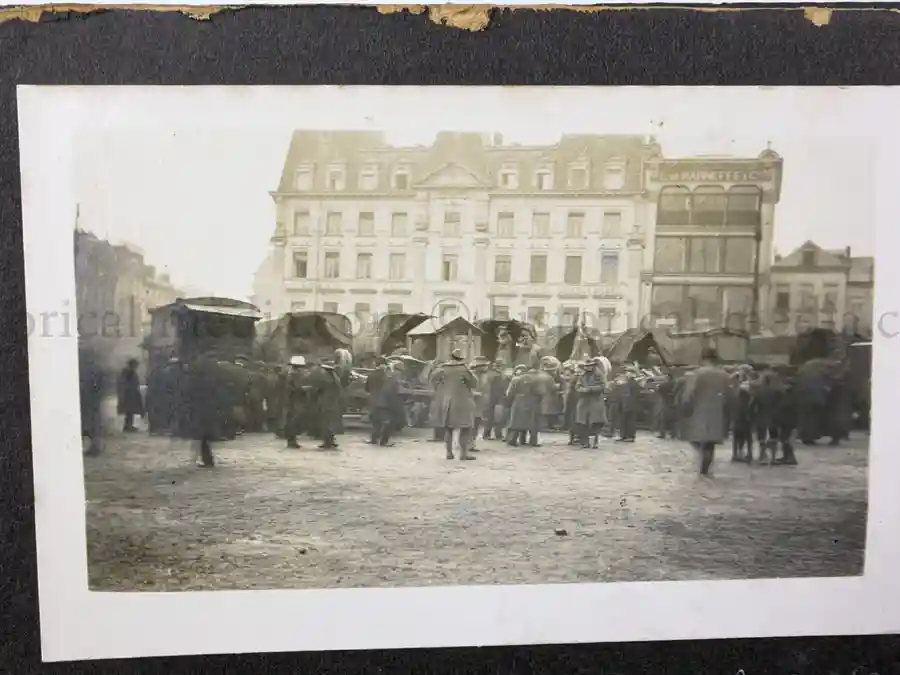
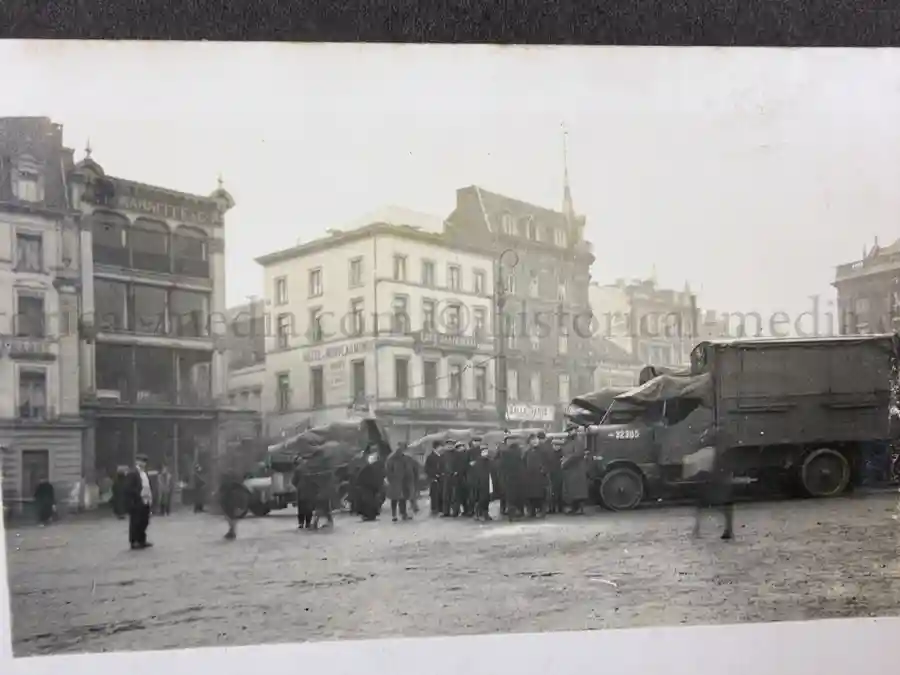
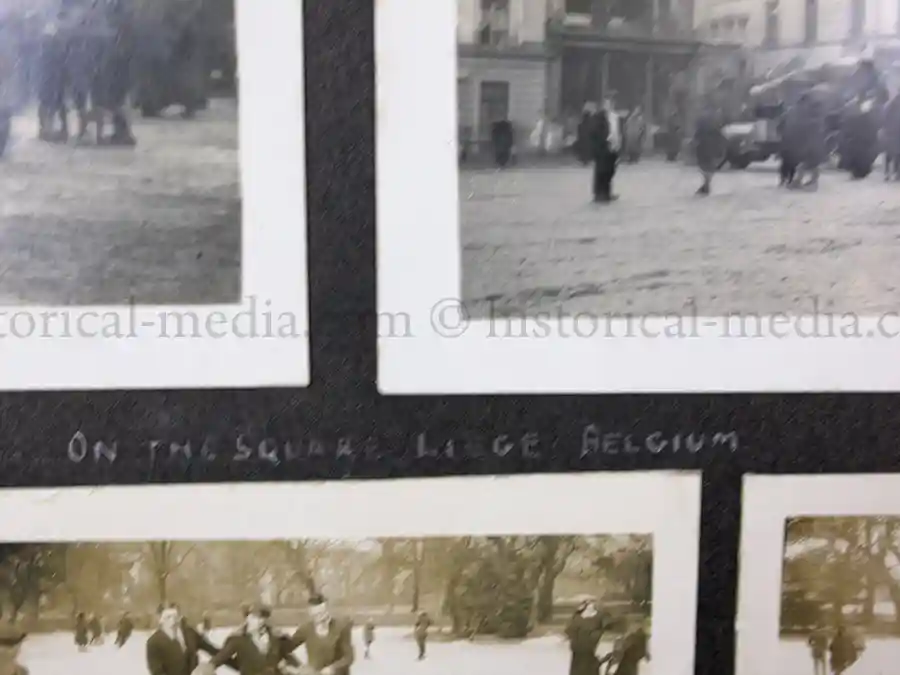
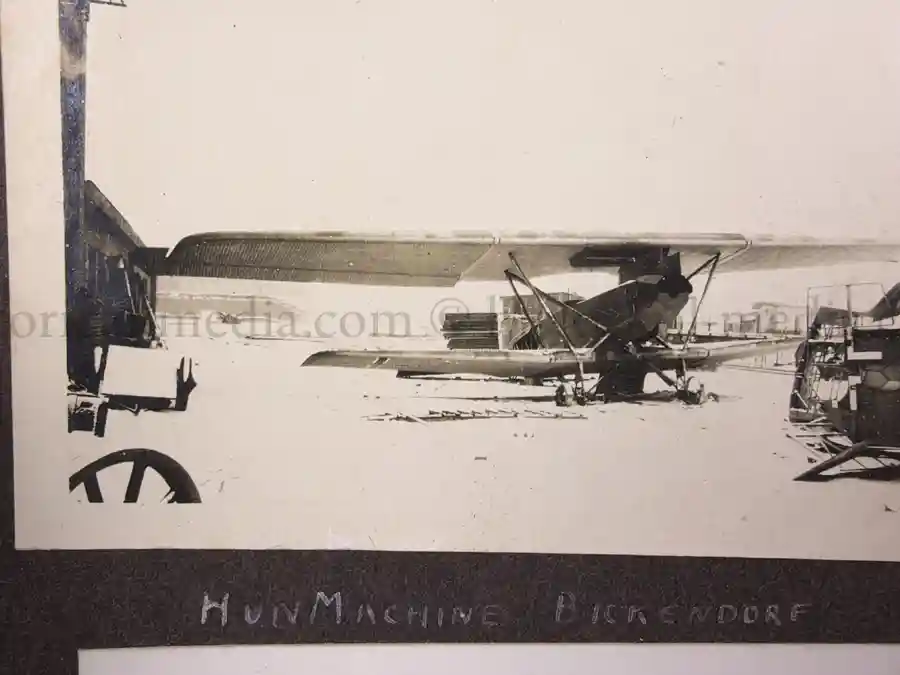
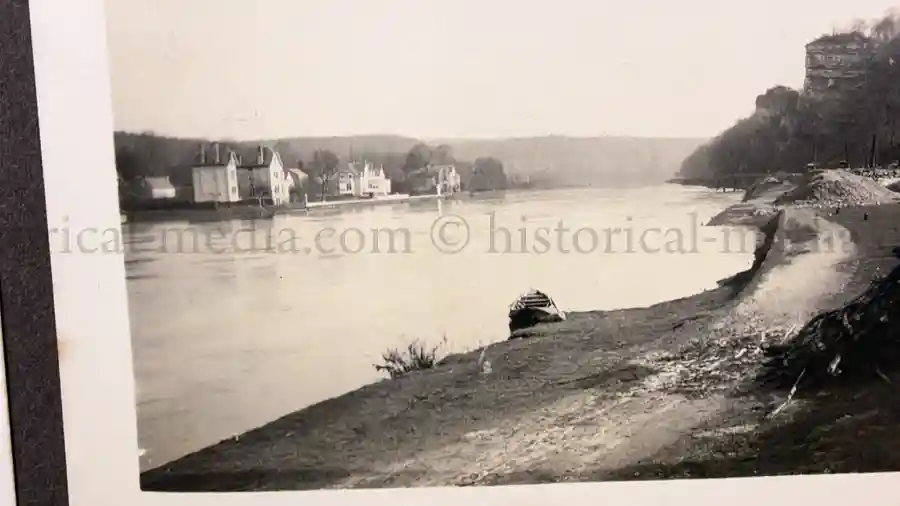
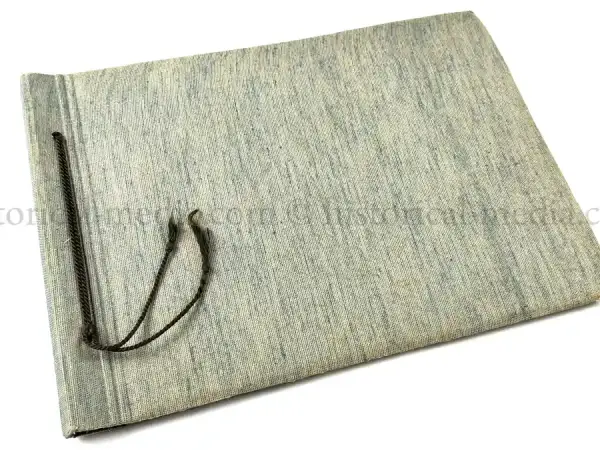
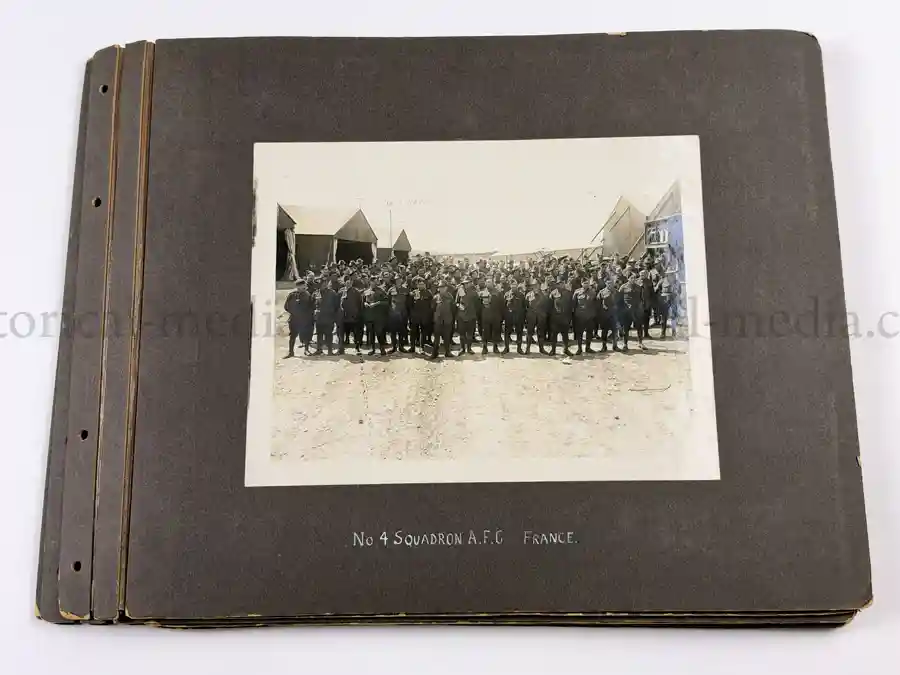
An exceptional and extensively captioned original First World War Australian Flying Corps (A.F.C.) photographic album documenting the activities of No. 4 Squadron in France and Belgium during 1918 and its subsequent service with the Allied occupation forces in Germany following the Armistice. The album contains numerous original photographs, including outstanding aviation photographs of Sopwith Camel fighters, Sopwith Snipes, a Handley Page bomber, an Airco D.H.9 biplane, and wrecked German aircraft, together with squadron personnel, pilots, mechanics, military transportation, airfields, and scenes of the Allied advance and occupation. Particularly noteworthy are photographs captioned "No 4 Squadron A.F.C. France," "Camels 4 Sqd. A.F.C. Bruay France," "Sopwith Camel Clairmarais France," "Sopwith Snipe," "Snipes Taking Off," "A Handley Page Bomber France," "A D.H.9 Biplane," "F.E. Night Bomber," "Remains of Gotha & Nieuport Scout," and "Wreckage of Gotha Bickendorf Germany." Several photographs show aircraft lined up at operational airfields, with visible markings and serial numbers, including a particularly fine photograph of Sopwith Camels and their ground crews at Bruay. Another shows three Australian aviators standing beside a Sopwith Camel at Clairmarais. The album also contains an impressive photograph of a large Handley Page bomber surrounded by personnel, as well as photographs of aircraft taking off, damaged aircraft structures, and squadron headquarters. No. 4 Squadron was formed in Australia in October 1916 and arrived in France in December 1917, initially operating Sopwith Camel fighters from Bruay in support of the British First Army. The squadron subsequently became one of the Australian Flying Corps' most successful fighter units, with celebrated Australian ace Captain Arthur Henry "Harry" Cobby among its pilots. In October 1918 it converted to the advanced Sopwith Snipe and participated in some of the final major aerial engagements of the war. Following the Armistice, No. 4 Squadron became the only Australian combat unit to serve with the Allied occupation forces in Germany, establishing itself at Bickendorf airfield near Cologne in December 1918. The album provides an especially interesting photographic record of this historically significant period, including photographs captioned "Headquarters 4 A.F.C. Cologne – Prince Albert's Centre," "4 Sqd A.F.C. Cologne Xmas 1918," "2nd Army Headquarters Cologne," "The Guard on Hohenzollern Bridge Cologne," "Leaving Cologne," "The Rhine at Cologne," "Hohenzollern Bridge Cologne," "Suspension Bridge Cologne," and "Kaiser Wilhelm Ring Cologne." The Christmas 1918 group photograph is especially desirable, showing a large gathering of Australian servicemen with an Australian flag prominently displayed. Additional photographs document the squadron's movements through France and Belgium, with captions including "The Canal Mons," "Our Transport in the Square Mons," "Our Billet at Ronchin near Lille," "Vitry Railway Station," "The Convoy at Andennes," "On the Road near Namur Belgium," "Mons Railway Station," "Verviers Belgium," and "Ruins at Ypres." Other photographs show military convoys, heavy transport vehicles, personnel aboard trucks, railway installations, destroyed buildings, and extensive wartime devastation. Particularly interesting is the inclusion of original period documents and souvenirs, including a British military duty order dated March 22, 1918, bearing reference to No. 71 Squadron A.F.C., the British designation previously associated with No. 4 Squadron, a German Quartier-Billet (billeting document) dated December 1918 from Euskirchen, and a collection of original French, Belgian, and German emergency currency notes, including issues from Lille, Stavelot, and Cologne. One group photograph identifies a serviceman in ink as "W. L. Davies," providing a potentially valuable avenue for further research. The album is extensively captioned throughout in English, identifying aircraft, units, dates, locations, and individual subjects. An outstanding and historically important original photographic record of Australian military aviation during the final year of the First World War and the subsequent occupation of Germany, combining early fighter aviation, squadron life, military transport, battlefield destruction, and original documentary material in a single contemporary collection.