
Description
WEHRMACHT KRADSCHÜTZEN PHOTO ALBUM & DIARY GROUPING – SD.KFZ. 231 ARMORED CARS – DAIMLER DZVR 21 – BMW MOTORCYCLES – RAD SERVICE
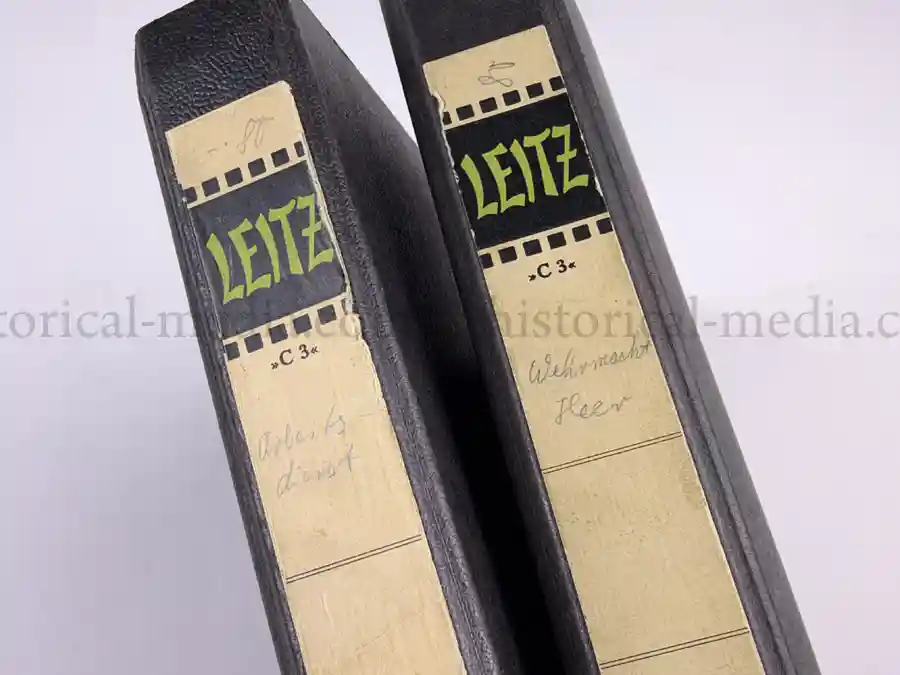
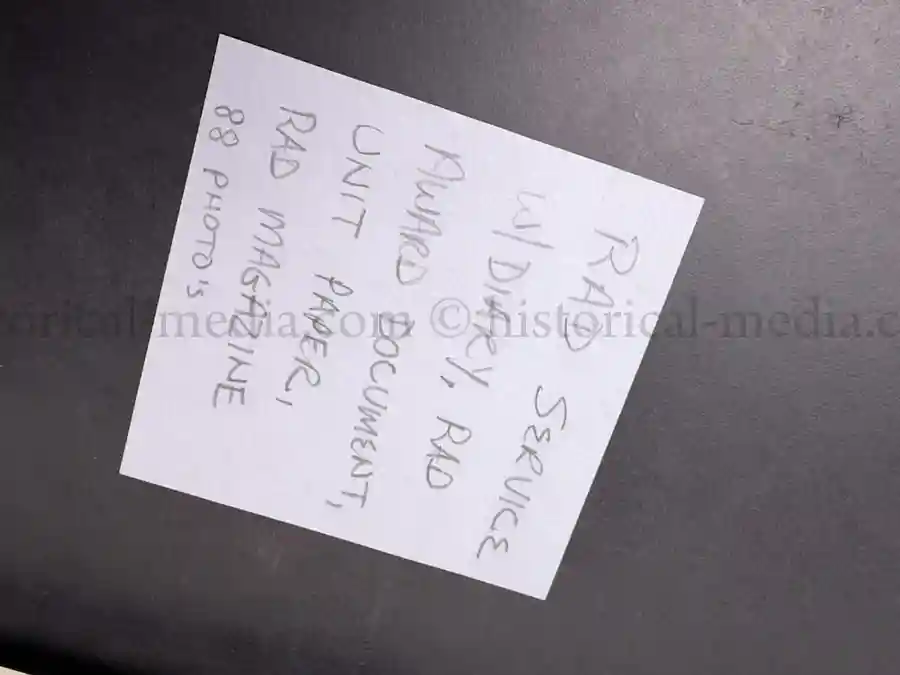
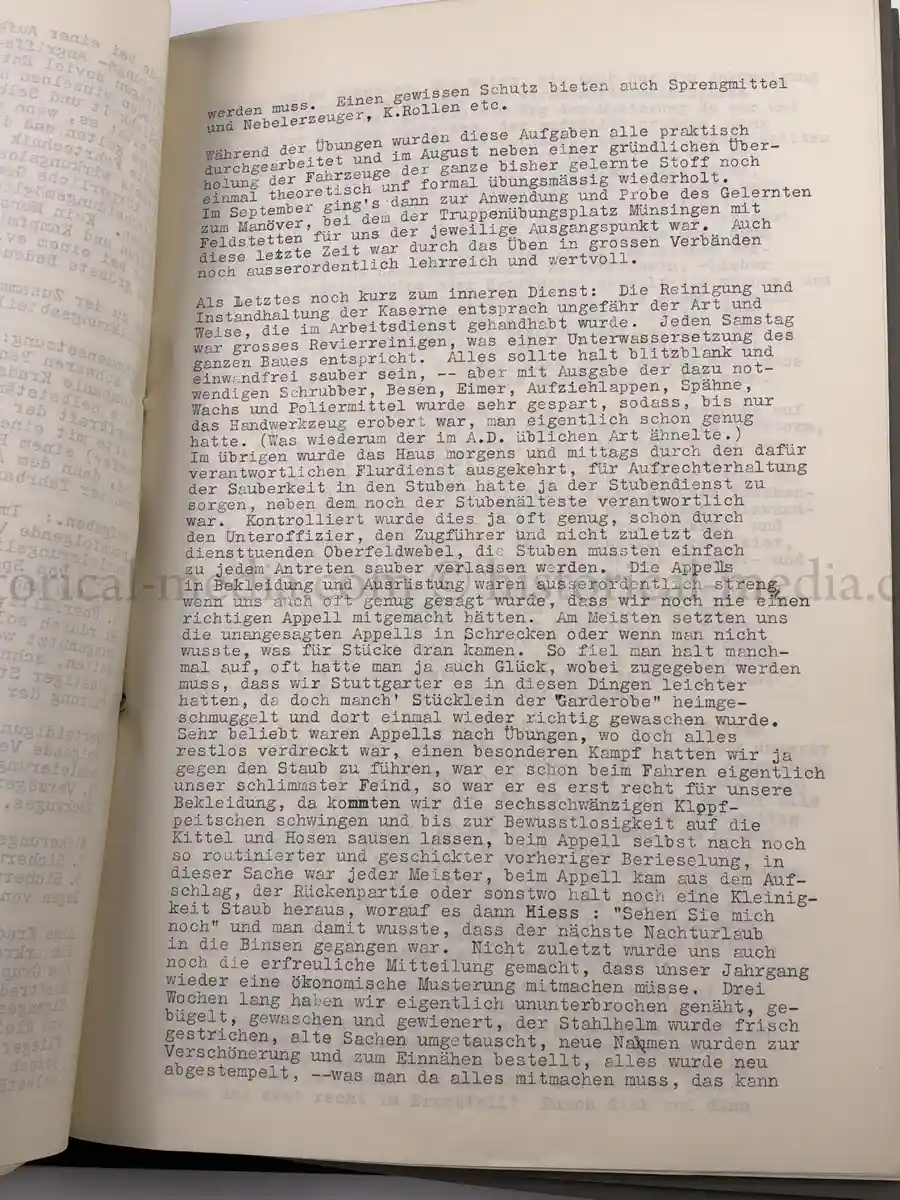
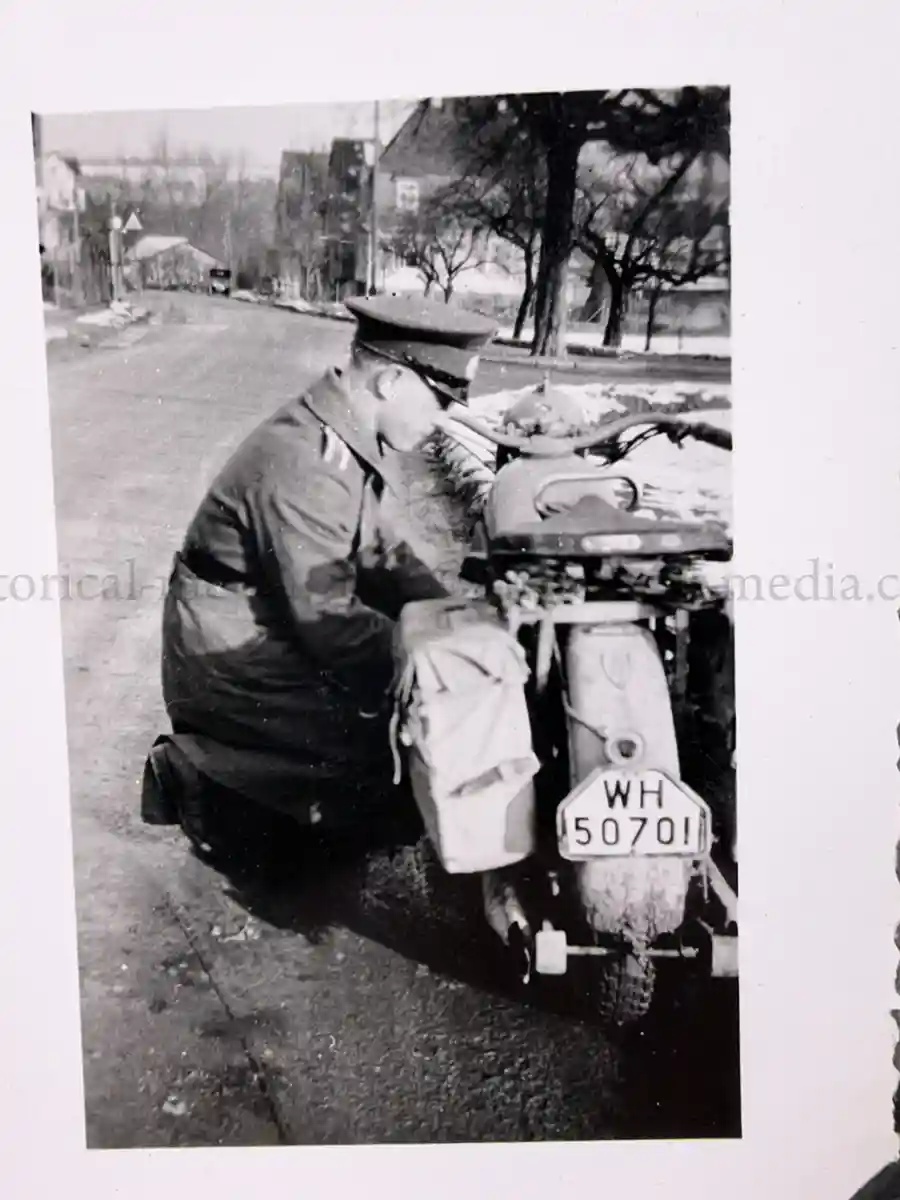
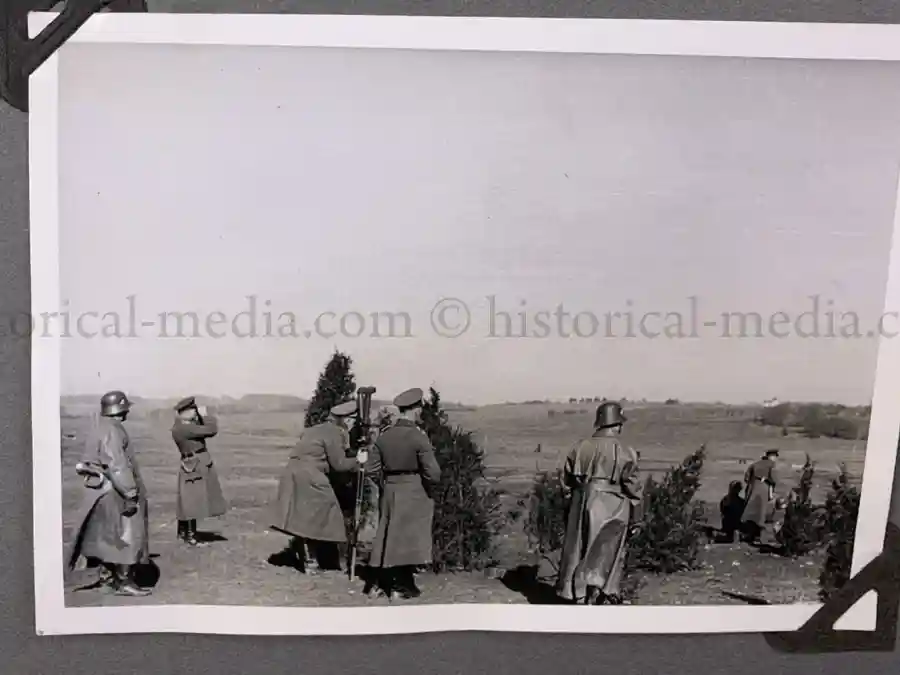
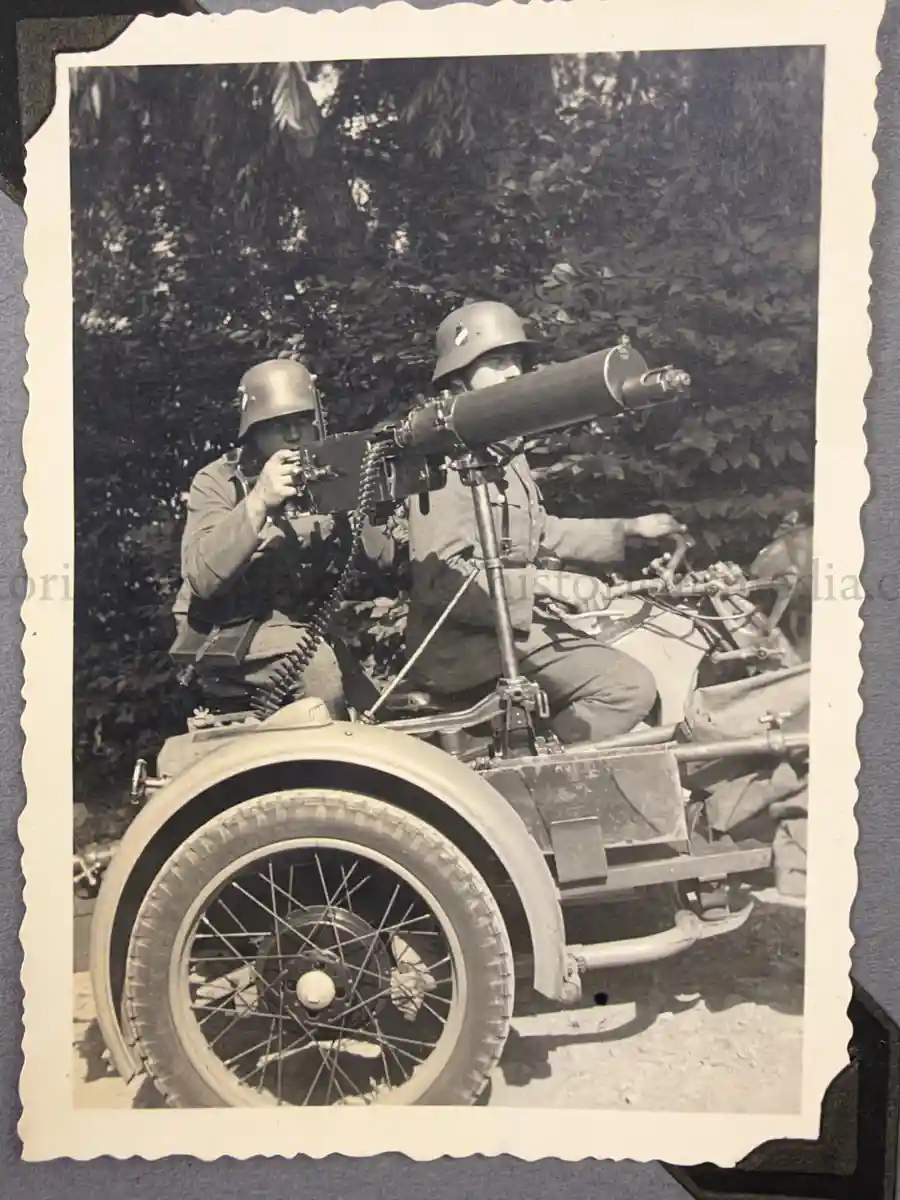
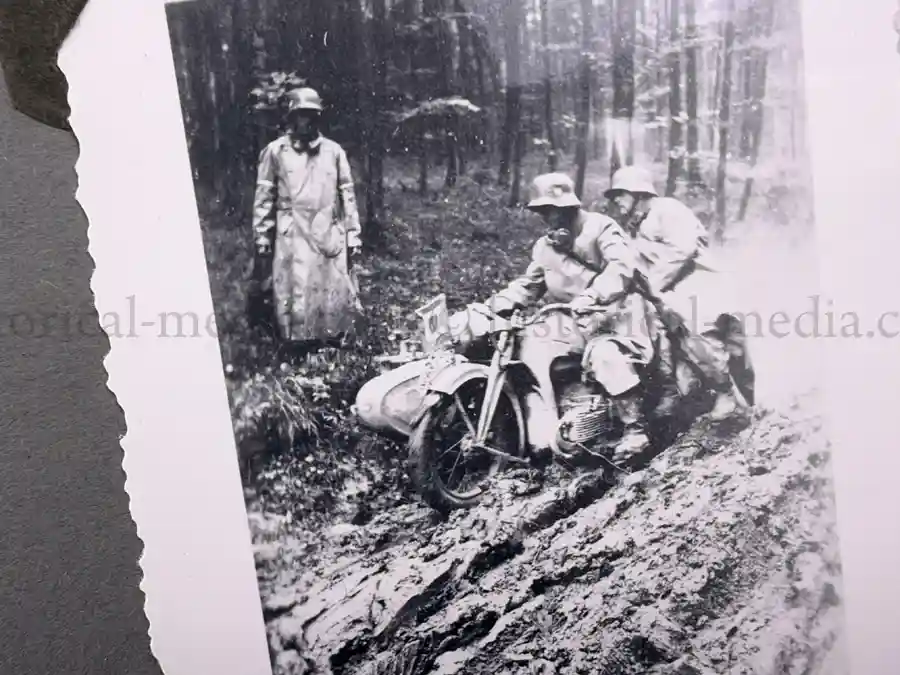
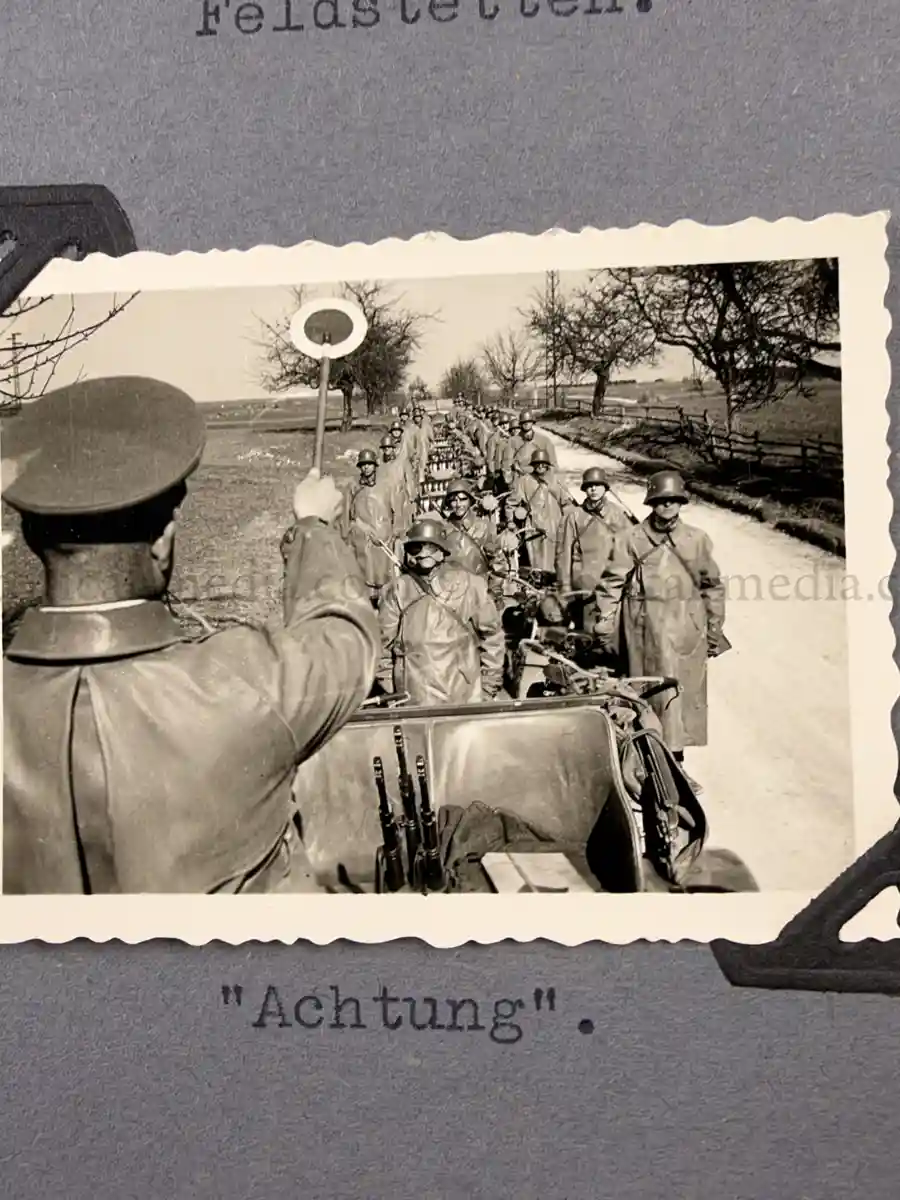
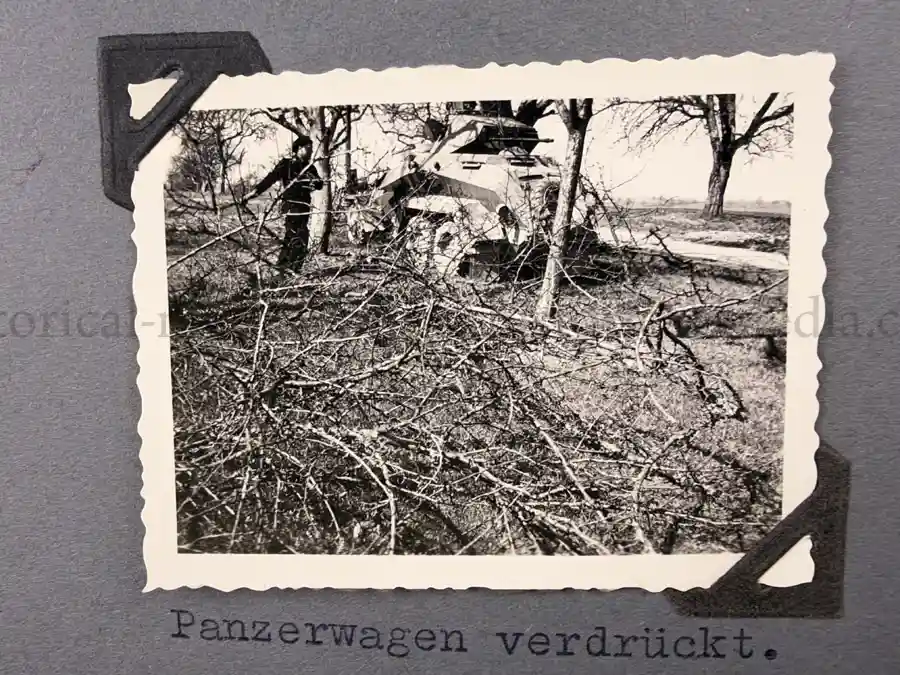
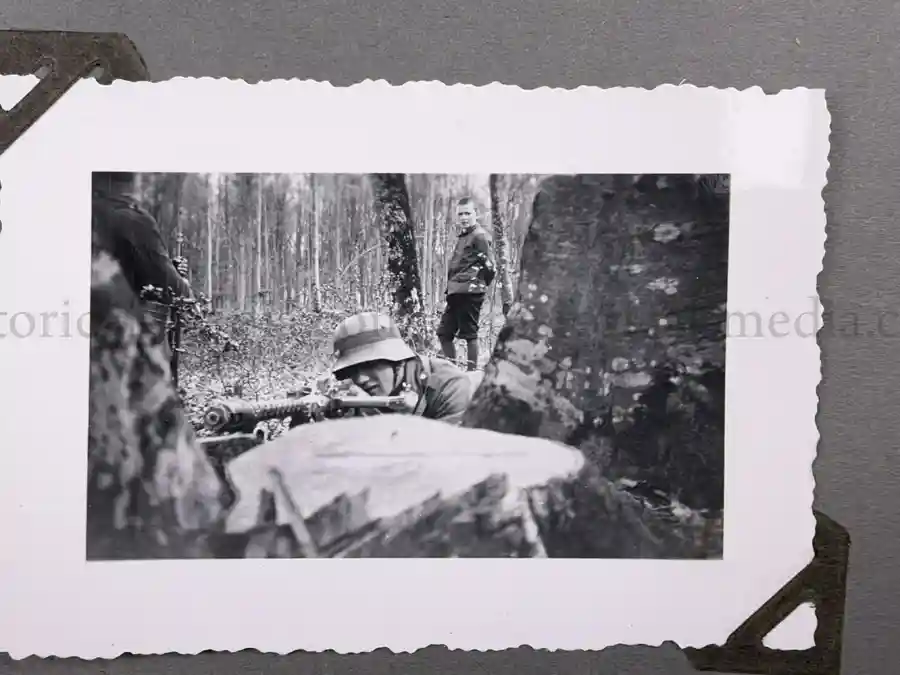
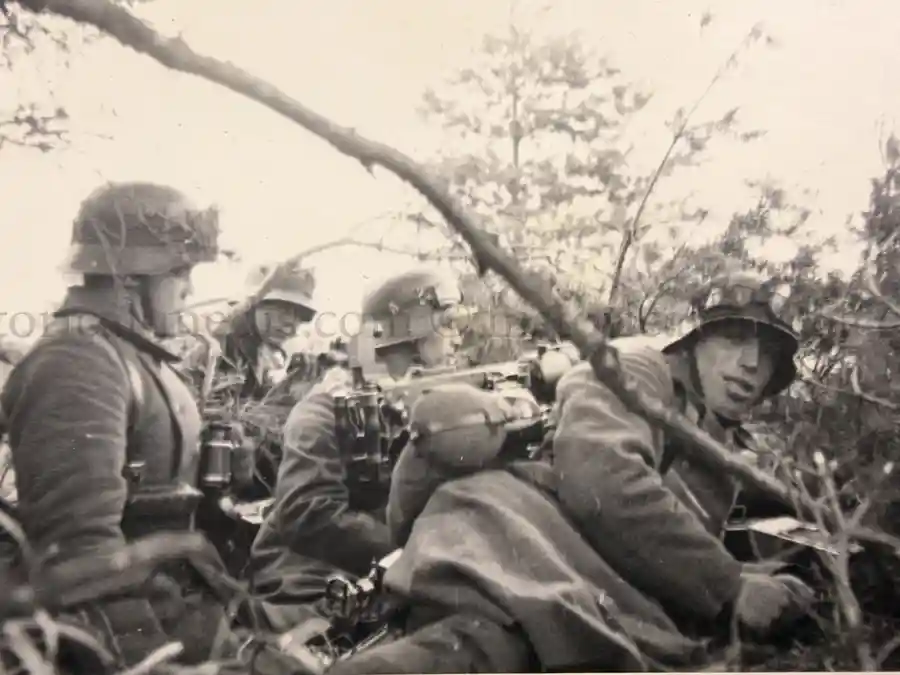
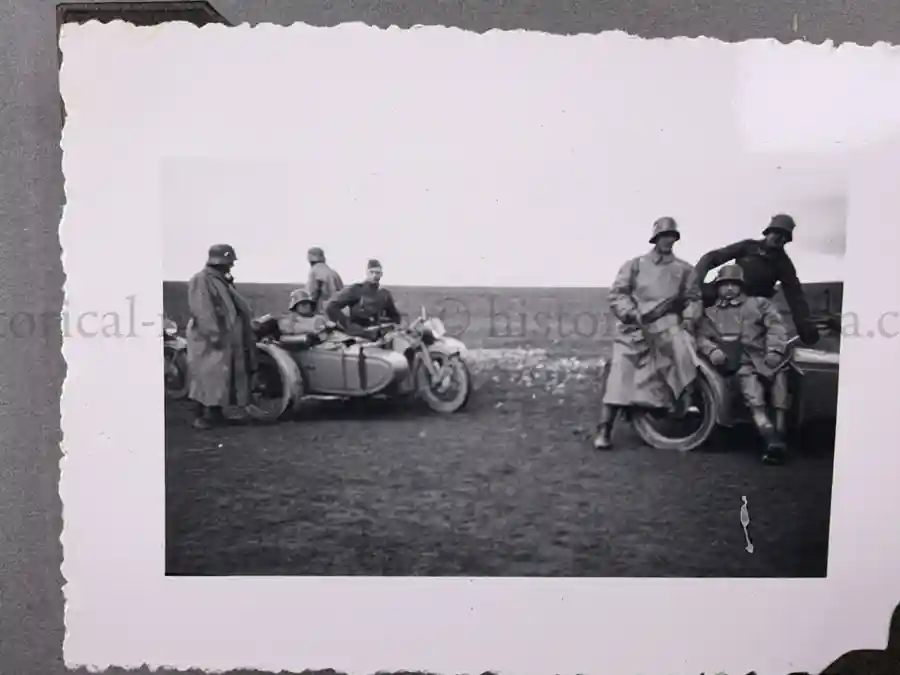
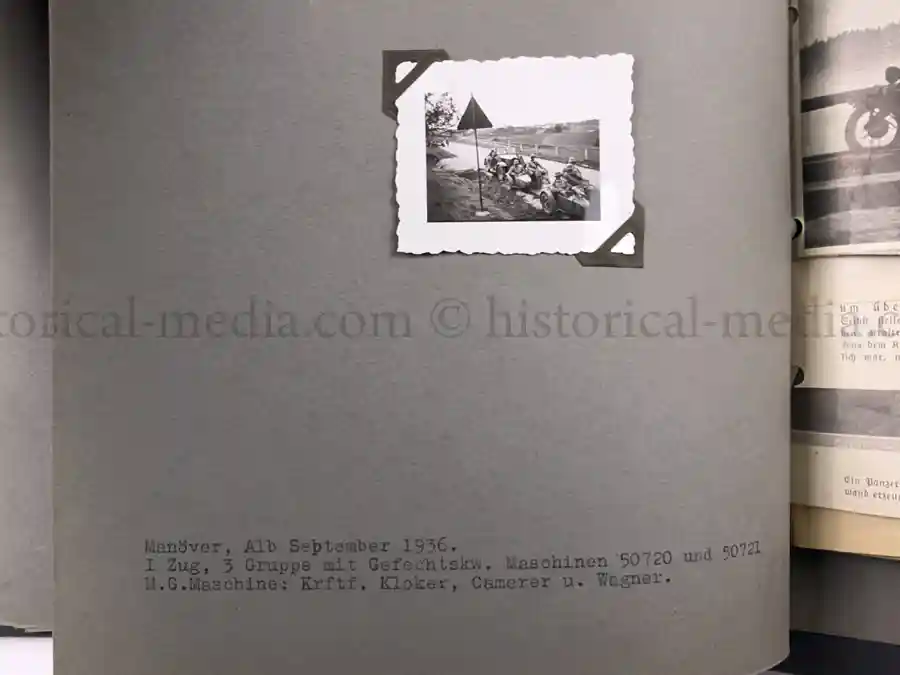
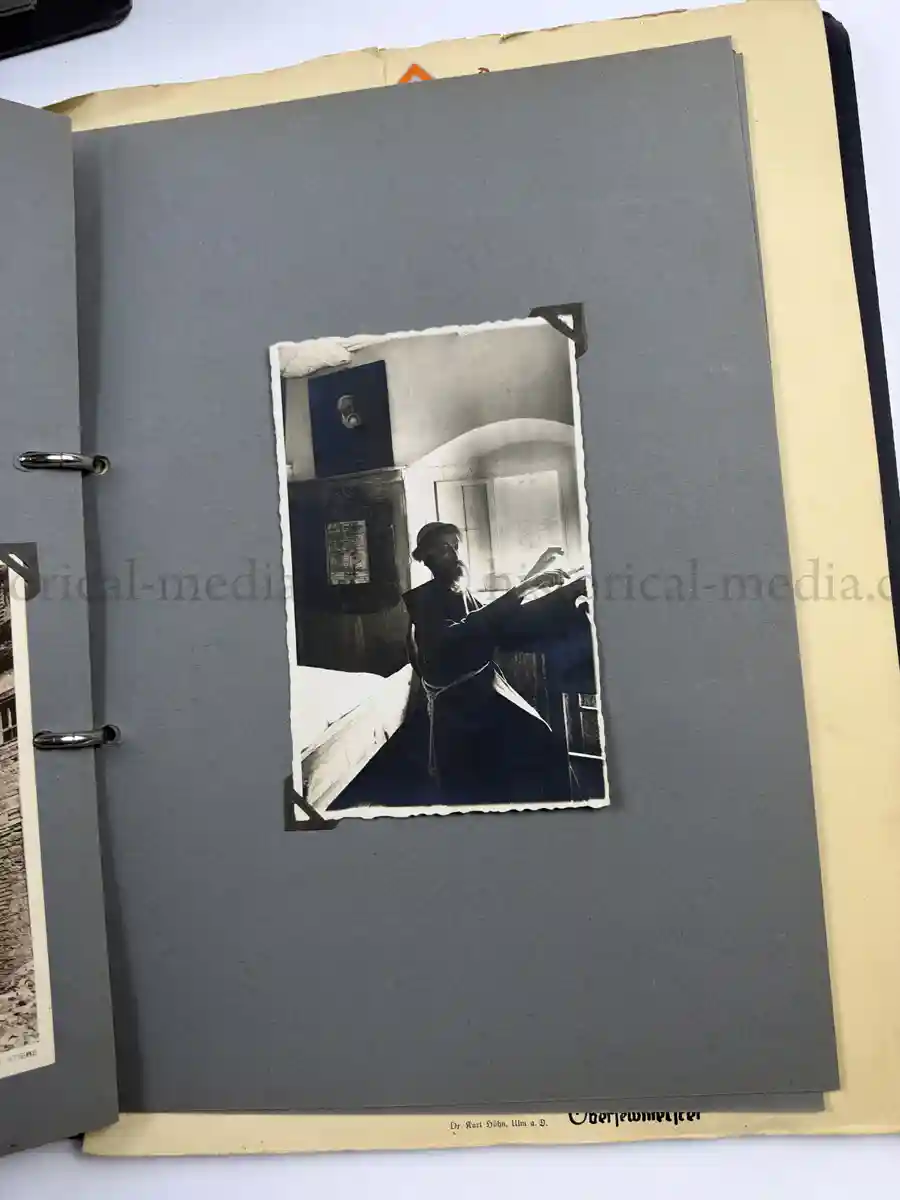
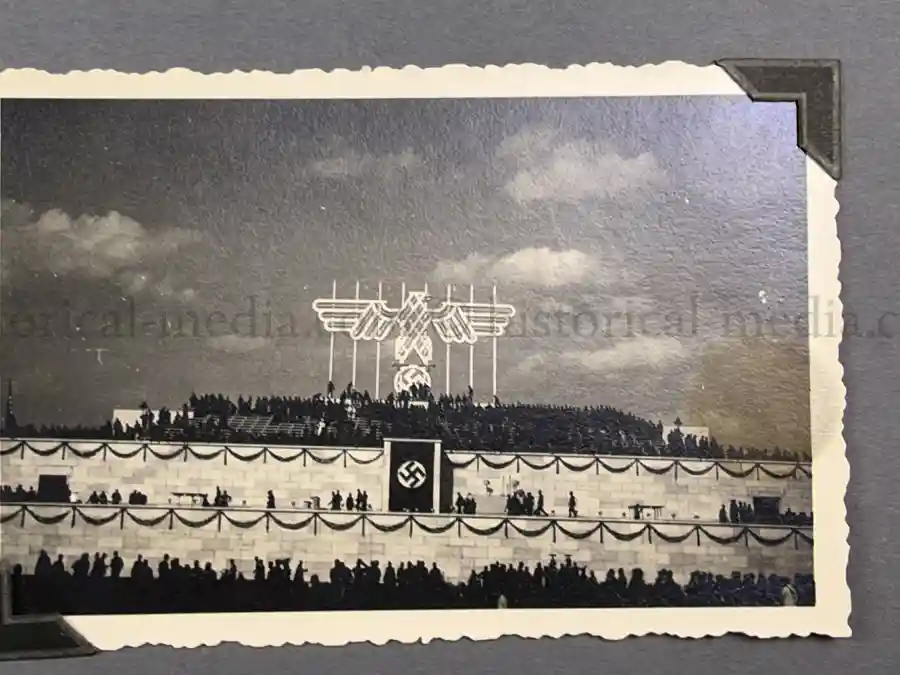
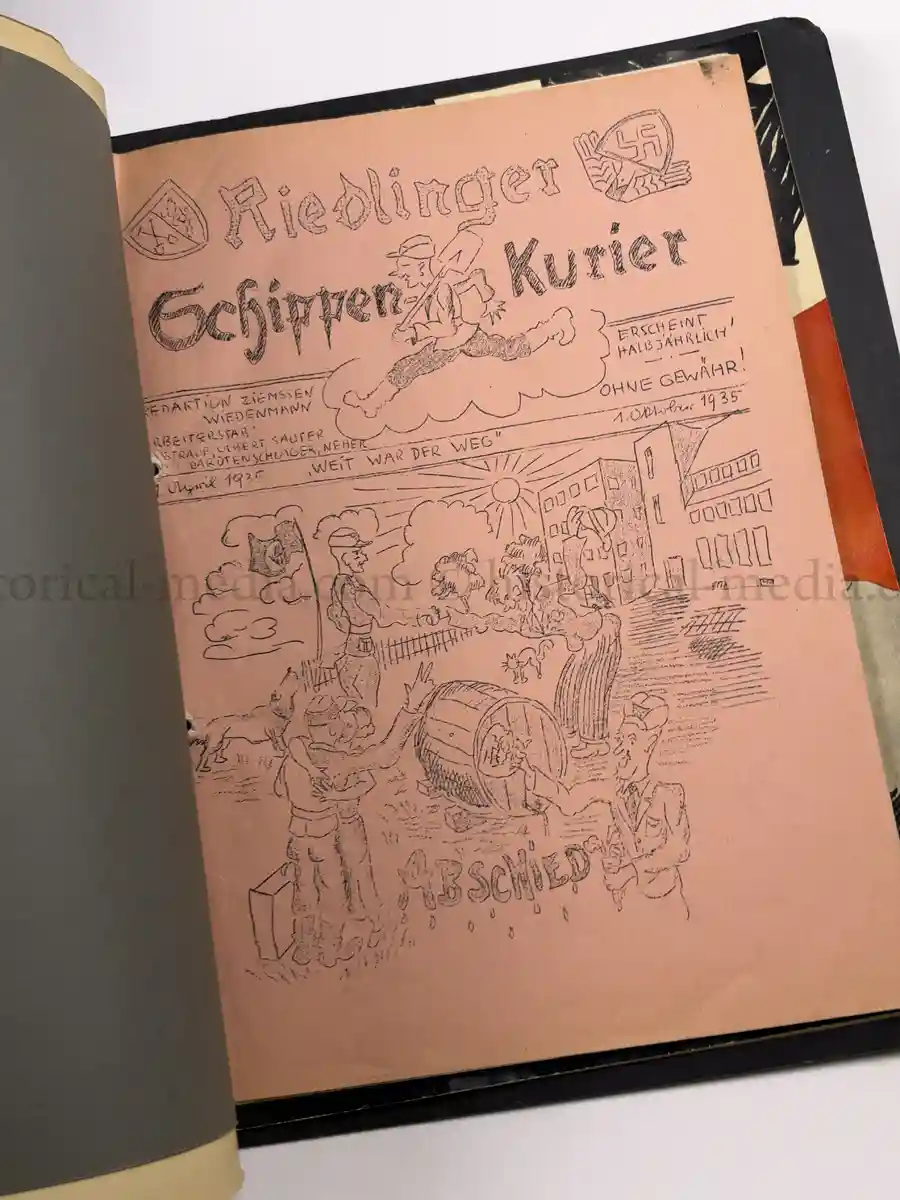
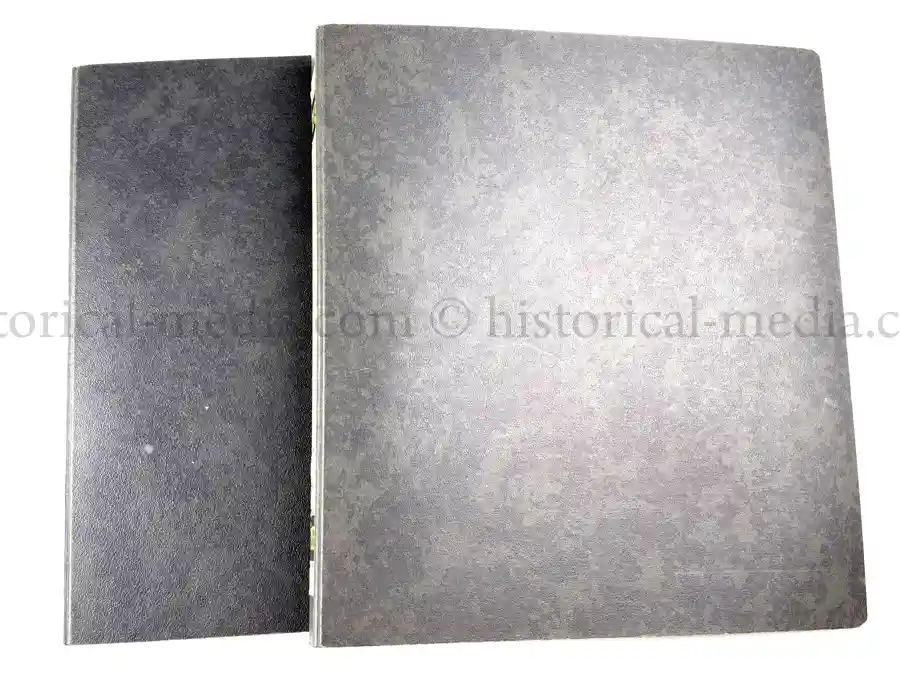
An exceptional pair of extensively captioned German prewar photograph albums documenting the service of Artur Camerer of Stuttgart, beginning with his voluntary Reichsarbeitsdienst (RAD) service from April 1 to October 1, 1935, followed by his voluntary Wehrmacht service from October 1, 1935, to September 30, 1936, with a motorized reconnaissance/Kradschützen formation. The albums contain numerous original photographs accompanied by detailed typewritten German captions, as well as an extensive firsthand typewritten account of Camerer's military training, daily routines, equipment, exercises, and experiences during this important period of German rearmament. Particularly noteworthy are the excellent photographs of early German armored vehicles, including Sd.Kfz. 231 six-wheeled armored reconnaissance cars, photographed at Feldstetten, and an exceptionally interesting early Daimler DZVR 21 / Sd.Kfz. 3-type armored vehicle, identified in the album as Alter Strassenpanzer (Old Armored Car), featuring massive wheels, riveted armor, and an overhead antenna framework. Other photographs show early BMW flat-twin motorcycles with sidecars, probably including R11 and R12 models, motorcycle reconnaissance formations, military vehicles, machine-gun crews, light machine guns (L.M.G.) in firing positions, anti-tank guns (Pak), camouflage exercises, and extensive field maneuvers. Of particular historical interest are photographs documenting the March 1936 exercises at Feldstetten, explicitly associated in the captions with the German remilitarization of the Rhineland, together with training exercises at Münsingen, Ohrdruf, and other locations. The Wehrmacht album includes a detailed narrative of the organization and operational responsibilities of a motorized reconnaissance battalion, including armored reconnaissance cars, motorcycle rifle companies, machine-gun detachments, and anti-tank elements. The RAD album documents Camerer's earlier service with Group 263, Abteilung 3, Arbeitsgau XXVI, including photographs of labor camps, construction projects, airfield work, barracks, personnel, and RAD ceremonies, accompanied by an original illustrated service certificate bearing his name and portrait. Additional photographs include military parades, a large Nazi rally grandstand, portraits of soldiers and officers, group photographs, military installations, and informal scenes of daily life. Numerous individuals are identified by name, including Keupp, Camerer, Kloker, Junginger, Bihl, Beilharz, Wagner, Fischer, Sautter, and Ufm. Fauter. An unusually comprehensive and historically significant prewar collection combining extensive original photography, detailed contemporary captions, personal documentation, and firsthand written accounts, with particularly strong content relating to the early development of Germany's armored reconnaissance and motorcycle troops.
INTERESTING DETAILS FROM THE TYPEWRITTEN DIARY:
1. Rhineland Remilitarization – March 1936: Camerer describes four weeks of experimental military exercises (Versuchsübungen) at Feldstetten in March 1936, coinciding with Hitler's remilitarization of the Rhineland on March 7. The accompanying photographs document early German armored cars, motorcycle troops, and motorized formations during this historically significant period.
2. Organization of an Early Armored Reconnaissance Battalion: Camerer provides a detailed breakdown of a motorisierte Aufklärungsabteilung, including two armored reconnaissance companies equipped with light, medium, and heavy armored cars, a motorcycle rifle company (Kradschützenkompanie), radio detachments, engineers, anti-tank guns, and support personnel. He describes their duties as reconnaissance, opening routes, clearing obstacles, protecting withdrawals, and delaying enemy advances.
3. The Problems of Motorized Warfare: Discussing the difficulties of coordinating large military columns, Camerer writes: "At the low average speed of 40 km/h, with the corresponding spacing of 40 meters, the formation already stretches over a distance of 4,000 meters." The original figures appear mathematically inconsistent, but the passage illustrates the logistical challenges faced by Germany's developing mechanized forces.
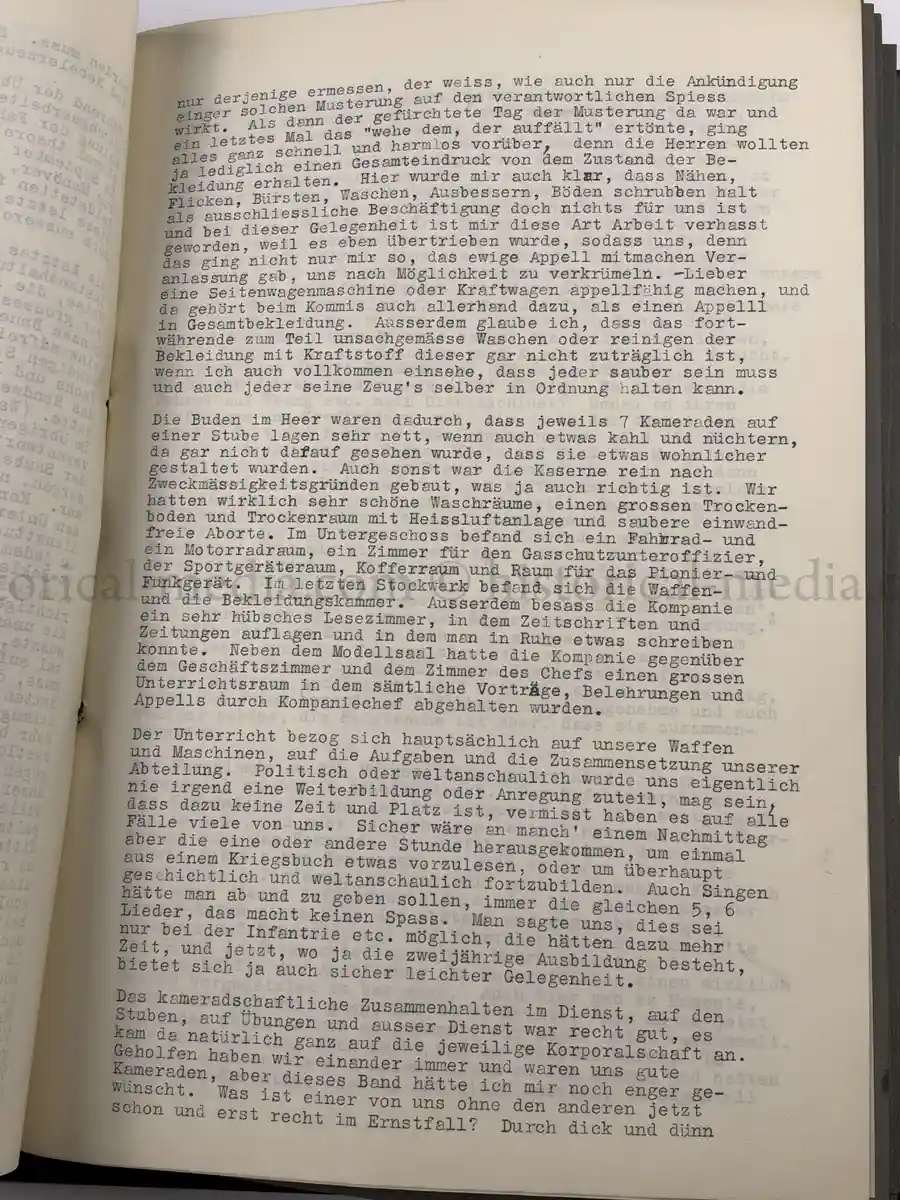
4. Motorcycle Training and Maintenance: Camerer describes the conversion of his company from conventional infantry training to a motorcycle rifle unit, including winter driving through forests, fields, mud, and frozen roads. Mechanical instruction covered carburetors, cylinders, transmissions, drive shafts, steering, lighting, and ignition systems, emphasizing the importance of each soldier maintaining his own motorcycle.
5. Military Oath to Hitler – November 7, 1935: Camerer recounts the ceremony during which his company swore its oath of personal allegiance to Adolf Hitler, accompanied by the raising of the new Reich war flags. An interesting firsthand account of the political transformation of the German military.
6. Daily Life in the Wehrmacht: His detailed training schedule includes reveille at 5:50 AM, morning drill beginning at 7:10 AM, afternoon instruction and field exercises, and weapons cleaning until 6:00 PM. He also describes equipment inspections, polishing boots, and the limited free time available to recruits. His commanding officer is identified as Hauptmann Erdmann.
7. Political Indoctrination in the RAD: The earlier Reichsarbeitsdienst narrative describes political lectures, racial ideology, and National Socialist instruction. Particularly noteworthy is the inclusion of a political choral recitation associated with the 1934 Nuremberg Party Rally, illustrating the ideological training incorporated into compulsory labor service.